


Latest posts
Cartier vs Dita Sunglasses — Which Luxury Brand Fits You?

In the stratosphere of luxury eyewear brands, the debate between Cartier vs Dita represents more than a simple product comparison—it’s a question about what luxury eyewear should fundamentally communicate. Cartier brings 175 years of jeweler’s pedigree to frame design, translating precious metal craftsmanship and heritage prestige into wearable accessories. Dita approaches eyewear as precision engineering challenge, building frames through obsessive attention to manufacturing detail and material science. Both occupy premium price territory, but they arrive there through entirely different philosophical routes.
Understanding which brand suits your needs requires examining not just the frames themselves but the underlying values each represents. Are you drawn to luxury that announces itself through recognizable codes and heritage association? Or do you prefer luxury that reveals itself gradually through material quality and construction precision? The answer determines whether Cartier’s jewelry-inspired elegance or Dita’s engineering-focused perfection will deliver greater long-term satisfaction.

Table of Contents
Brand Philosophy: Cartier vs Dita
Cartier’s eyewear division operates as an extension of a jewelry empire established in 1847. The brand built its reputation creating pieces for royalty, celebrities, and cultural elites—engagement rings, watches, and accessories that signified not merely wealth but arrival into rarified social strata. This heritage profoundly influences how Cartier conceptualizes eyewear. The frames function as jewelry for the face, incorporating precious materials like 18k gold, platinum finishes, and occasionally genuine gemstones. Design references flow from the archive—panthers, Roman numerals, signature screw details from the Love bracelet, vintage Santos motifs.
This jewelry heritage creates both strengths and constraints. The frames carry instant prestige recognition among those who understand luxury hierarchies. That red Cartier box signals status before you even wear the frames. The construction quality reflects jewelry-making standards—hand-finishing, precious metal components, meticulous assembly. However, the approach also means Cartier eyewear prioritizes visual signaling and heritage codes over pure functional optimization. You’re paying for association with luxury history as much as the physical product.
The target customer Cartier envisions appreciates recognizable luxury and values heritage connection. These are individuals who view accessories as social tools, who operate in environments where brand recognition matters, who derive genuine satisfaction from wearing names that carry cultural weight. This isn’t superficial—it’s a legitimate luxury philosophy rooted in European aristocratic tradition where provenance and heritage determined value.
Dita emerged from radically different origins. Founded in 1995 by eyewear industry veterans frustrated with declining manufacturing standards, the brand positioned itself as engineer’s response to fashion eyewear. The founding principle was simple: apply aerospace and precision manufacturing techniques to frame construction, treating eyewear as technical challenge rather than fashion accessory. This meant developing proprietary hinge systems, pioneering titanium frame construction, establishing Japanese manufacturing partnerships for uncompromising quality control.
The brand name itself—Dita—references 1940s icon Dita Von Teese’s stage persona but also served as placeholder during development. What matters is the philosophy: frames should achieve perfection through obsessive engineering attention rather than heritage association or logo prominence. Each Dita frame undergoes over 320 manufacturing steps, far exceeding industry standards. Components are machined to tolerances measured in hundredths of millimeters. Prototypes go through multiple iterations focusing purely on ergonomics and structural optimization.
This engineering philosophy attracts different customers entirely. Dita appeals to design professionals, collectors who appreciate manufacturing excellence, and individuals whose self-worth doesn’t require external validation through recognizable brands. These are people who derive satisfaction from knowing their frames represent technical pinnacles, even if casual observers won’t recognize the name. The luxury here is intellectual—understanding you’re wearing objectively superior engineering.
The philosophical divide is fundamental. Cartier says luxury emerges from heritage, precious materials, and recognizable codes. Dita argues luxury comes from perfecting functional objects through manufacturing obsession. Neither perspective is more valid, but they appeal to fundamentally different value systems and self-concepts.

Design Aesthetic Comparison
When analyzing designer sunglasses comparison, aesthetic philosophy becomes immediately apparent through frame language and visual codes.
Cartier’s design vocabulary draws heavily from the brand’s jewelry archive and historical collections. The signature C Décor appears across multiple styles—stylized Cs forming bridge details or temple accents, immediate brand signaling without requiring verbal explanation. Precious metal temples often feature visible screws referencing the Love bracelet, creating cross-product brand coherence. Frame shapes tend toward classic luxury silhouettes—aviators, panthères, rectangular styles—updated for contemporary proportions but maintaining recognizable DNA from decades past.
Logo visibility on Cartier frames occupies middle ground between subtle and prominent. The brand name appears in refined serif typography along temples, scaled large enough for recognition at conversational distance but avoiding the billboard-sized branding that luxury purists find offensive. Some styles incorporate discreet panther motifs or Roman numerals, insider codes for those familiar with Cartier’s broader iconography. This calculated visibility serves the brand’s heritage luxury positioning—recognizable without being garish, prestigious without appearing insecure.
Color palettes in Cartier eyewear span classic luxury territory with occasional bold statements. Black and tortoiseshell provide foundational options, but you’ll also find burgundy acetates, gold and platinum metal finishes, occasional deux-tons combining materials for visual interest. Seasonal collections sometimes introduce fashion-forward colors, though these represent smaller portions of the permanent collection. The overall aesthetic leans elegant and established rather than experimental or avant-garde.
The jewelry influence manifests in finishing details. Beveled edges catch light like faceted gems. Metal components receive hand-polishing that creates depth beyond mass-production capabilities. Some styles feature genuine precious metal content—not merely plating but solid gold temple components. These details matter less for function than for satisfying jewelry-quality expectations that justify Cartier’s luxury positioning.
Dita’s aesthetic philosophy rejects decoration in favor of architectural purity. Frame shapes demonstrate geometric precision—perfect circles, exact rectangles, carefully calibrated cat-eyes—executed with millimeter-level accuracy. The brand has developed signature silhouettes like the Mach-One (aviator reinterpretation) and Flight-series that balance distinctive identity with universal wearability. These aren’t fashion statements so much as design solutions, shapes optimized for optical performance and facial ergonomics.
Logo treatment reflects Dita’s understated philosophy. The brand name appears in minimal sans-serif typography, often so small it requires close inspection to read. Some styles feature tiny “DITA” engravings on temple tips or discrete logo placement on interior surfaces invisible during wear. This restraint signals confidence—the brand trusts that informed consumers don’t require logo validation, that quality announces itself through material and construction rather than external markers.
Color strategies at Dita demonstrate sophisticated restraint. Black dominates, executed in premium acetates with dimensional depth that cheap alternatives can’t replicate. Tortoiseshell appears but in carefully controlled iterations—not bright or exaggerated patterns but subtle color gradations. Titanium frames come in brushed, polished, or matte finishes, each requiring different surface treatment processes. The limited palette reflects engineering mindset: color serves function (reducing glare, enhancing face shapes) rather than trend participation.
The overall aesthetic reads contemporary and technical rather than classic or fashion-forward. Dita frames photograph exceptionally well because their clean lines create strong silhouettes. They work across style contexts from formal to casual without appearing out of place because they don’t rely on decorative elements that would anchor them to specific aesthetic movements. This creates different kind of longevity than Cartier’s heritage approach—not timeless through tradition but through functional perfection.

Materials & Build Quality
Examining premium brands at this level requires understanding that both Cartier and Dita exceed baseline luxury standards, but they achieve quality through different material philosophies and manufacturing approaches.
Cartier frames employ materials that reflect jewelry-making heritage. Acetate comes from premium Italian suppliers, specifically Mazzucchelli, with thickness and density exceeding fashion eyewear norms. The material undergoes hand-polishing that removes all tooling marks and creates the surface depth associated with fine jewelry. Metal components frequently use precious materials—18k gold, platinum, or high-grade steel alloys. Some limited editions incorporate genuine gemstones in temple details, not as cheap embellishments but properly set using jewelry techniques.
The construction process at Cartier balances hand-craftsmanship with modern manufacturing. Acetate cutting and shaping use CNC machinery for precision, but finishing and assembly involve significant manual work. The signature C Décor elements are hand-assembled and secured. Temple screws receive individual attention to ensure consistent torque. Hinges use barrel construction with internal springs, industry standard at this level but executed to jewelry-grade tolerances. The overall process takes approximately two weeks per frame from raw materials to completion.
What distinguishes Cartier is the jewelry-inspired finishing. Edges receive hand-beveling that creates dimensional interest beyond functional necessity. Metal surfaces are hand-polished to mirror finishes or receive brushing patterns that disguise fingerprints while maintaining luxury aesthetics. These details add production time and cost but deliver tactile and visual quality that separates high luxury from mere premium eyewear.
Dita’s material philosophy prioritizes engineering performance over aesthetic tradition. The brand pioneered widespread titanium use in luxury eyewear, specifically Japanese-sourced beta-titanium that offers exceptional strength-to-weight ratios. This allows construction of large frames that remain lightweight, solving comfort problems that plague oversized acetate alternatives. The titanium undergoes proprietary surface treatments—PVD coating, ion plating, or specialized anodizing—that create scratch-resistant surfaces in precise color tones.
For acetate frames, Dita uses premium cellulose but with engineering focus. Thickness specifications are calculated for optimal flex resistance and impact absorption. The material is hand-cut, shaped, then subjected to multi-stage polishing that can take days per frame. Barrel finishing—tumbling frames with increasingly fine abrasives—creates surfaces so smooth they feel frictionless. This obsessive finishing reflects the brand’s core philosophy: perfection through process obsession.
The construction process at Dita involves over 320 individual steps, far exceeding industry norms of 80-100 steps. Each component is inspected multiple times during assembly. The brand developed proprietary hinge systems with self-adjusting tension that maintains consistent feel across thousands of open-close cycles. Nose bridges use custom-molded pads rather than generic components, offering superior comfort and grip. Temple tips receive ergonomic shaping based on ear geometry studies rather than generic curves.
Manufacturing takes place in Japan through partnerships with factories that typically produce medical devices and precision instruments rather than fashion accessories. This ensures quality control standards that fashion-focused manufacturers can’t match. Each frame undergoes pressure testing, flex testing, and optical alignment verification before approval. Rejection rates run significantly higher than industry averages because Dita prioritizes perfection over production efficiency.
From pure luxury craftsmanship perspective, both brands deliver exceptional quality but through different routes. Cartier offers jewelry-grade finishing and precious materials that create emotional luxury—frames that feel special to wear. Dita provides engineering perfection and material science that create intellectual luxury—frames that represent manufacturing pinnacles even if observers don’t recognize the achievement.

Comfort & Wearability
Long-term satisfaction with high-end sunglasses depends heavily on day-to-day wearing experience beyond initial aesthetic impression.
Cartier frames generally offer good comfort within expectations for their design priorities. The acetate thickness provides structural stability that prevents warping, while metal temples incorporate spring hinges that accommodate head size variation. However, comfort represents one area where Cartier’s jewelry focus creates trade-offs. Precious metal components add weight compared to alternatives—18k gold temples feel substantial, which some wearers appreciate as luxury but others find fatiguing during extended wear.
Nose bridge designs on Cartier frames follow conventional approaches—molded acetate saddles on plastic frames, adjustable nose pads on metal styles. These work adequately for average nose shapes but don’t demonstrate the ergonomic optimization that engineering-focused brands pursue. The frames sit well initially but may require professional adjustment for optimal long-term comfort, particularly if your facial geometry deviates from European averages the designs assume.
Temple pressure represents another consideration. Cartier’s aesthetic priorities sometimes emphasize visual balance over ergonomic optimization, meaning temple arms might create pressure points during extended wear. The frames excel for occasional use and special occasions but may prove less ideal for all-day wear compared to designs prioritizing functional performance. This isn’t necessarily negative—it reflects different design priorities where visual elegance outweighs maximum comfort optimization.
Dita approaches comfort as engineering challenge requiring systematic solutions. The brand conducts extensive fit studies across varied facial geometries, using this data to optimize frame proportions and contact points. Nose bridges receive particular attention—rather than generic pads, Dita develops custom-molded components designed to distribute weight across maximum surface area while preventing slippage. The positioning is calculated to prevent pressure on sensitive areas that cause discomfort during extended wear.
Temple design demonstrates similar obsession. Rather than uniform thickness, Dita temples employ strategic tapering that reduces weight at ear contact points while maintaining structural integrity at hinge areas. The curves follow anatomical studies rather than aesthetic preferences, creating natural fit that requires minimal adjustment. Temple tips use materials selected for grip without causing skin irritation—medical-grade acetate or specially treated titanium rather than generic plastics.
Weight optimization represents core Dita advantage, particularly in titanium collections. Large aviator-style frames that would feel heavy in steel or gold become nearly weightless in beta-titanium construction. This allows wearing substantial frames for hours without the fatigue that metal alternatives cause. Even acetate models demonstrate superior weight distribution through careful thickness variation and balance point calculation.
For professionals wearing eyewear throughout workdays or travelers facing long flights, Dita’s comfort engineering delivers measurable advantage. The frames disappear rather than announcing their presence through pressure points or weight fatigue. This practical performance matters more for daily-wear selections than occasional luxury pieces, making Dita particularly valuable for primary eyewear rather than occasional alternatives.
Pricing Philosophy & Value Perception
Understanding luxury sunglasses comparison 2025 requires examining what you actually purchase beyond physical frames.
Cartier pricing reflects several components beyond manufacturing costs. The brand premium itself—that red box, the heritage association, the jewelry house provenance—carries significant value for customers seeking recognized luxury. You’re paying for entry into Cartier’s luxury ecosystem, where the eyewear connects to broader cultural narratives about taste, success, and social positioning. This intangible value is legitimate for customers who derive satisfaction from brand association and heritage connection.
Material costs at Cartier genuinely justify portions of the pricing. Precious metal components—18k gold temples, platinum accents—carry inherent material value beyond jewelry labor. Premium Italian acetates cost significantly more than fashion-brand alternatives. The hand-finishing and jewelry-grade assembly add labor costs that mass-production approaches eliminate. However, comparable manufacturing quality exists at lower price points, meaning a substantial portion of Cartier’s pricing represents brand premium rather than pure construction value.
The value calculation favors Cartier for customers who prioritize recognition and heritage. The frames function as luxury signals that communicate effectively in social and professional contexts where such signaling matters. Resale value remains relatively strong because Cartier’s brand recognition creates consistent secondhand demand. Limited editions occasionally appreciate, particularly vintage pieces from desirable periods. This provides financial cushion if your style evolves or circumstances change.
Longevity presents interesting considerations. Cartier’s classic designs remain stylistically relevant across decades because they reference timeless luxury codes rather than contemporary trends. However, precious metal components can scratch or dent more easily than hardened alternatives, potentially requiring professional restoration to maintain appearance. The jewelry focus sometimes means fashion relevance outweighs engineering durability in design decisions.
Dita pricing reflects entirely different value proposition. The brand doesn’t carry Cartier’s heritage premium or widespread recognition, meaning you’re paying primarily for manufacturing excellence rather than brand association. The 320-step production process, Japanese precision manufacturing, proprietary materials and techniques—these create genuine cost structures that justify premium pricing through objective quality differentiation.
For engineering-focused customers, Dita delivers superior cost-to-value ratios. You receive frames representing manufacturing pinnacles with comfort and durability optimization that exceeds Cartier’s jewelry-inspired approach. The titanium construction particularly justifies premium pricing through material performance—strength, lightness, corrosion resistance—that precious metals can’t match for functional eyewear.
Value perception with Dita skews toward collectors and design professionals who appreciate manufacturing excellence even without external recognition. The frames won’t signal luxury to uninformed observers but will satisfy your personal standards for quality. This intellectual luxury—knowing you own superior engineering—provides different satisfaction than social recognition but proves equally legitimate for customers who value substance over signaling.
Resale value presents Dita’s main disadvantage. Lower brand recognition means smaller secondhand markets and less price retention compared to Cartier. The frames maintain quality indefinitely but don’t appreciate financially like recognizable luxury brands might. This matters if you view eyewear as investment or might resell when styles no longer suit your needs.
From pure investment sunglasses perspective, neither brand represents financial investment in appreciation sense. Both maintain quality that justifies luxury pricing, but which delivers better value depends entirely on what you value—recognition and heritage versus engineering excellence and functional performance.
Who Each Brand Is Best For?
Understanding Cartier eyewear comparison and Dita positioning requires honest assessment about lifestyle contexts and self-presentation strategies.
Cartier serves customers who appreciate and benefit from recognizable luxury. This includes executives and professionals in fields where visible success markers enhance credibility—real estate, finance, law, luxury sales, hospitality leadership. The frames communicate that you’ve achieved sufficient success to afford recognized luxury brands, which can be professionally valuable in contexts where client confidence correlates with perceived personal success. This isn’t superficial—in certain industries, appearing successful helps you become successful.
The brand also suits individuals who genuinely appreciate jewelry craftsmanship and heritage connection. If you collect Cartier pieces across categories—watches, jewelry, accessories—the eyewear completes a coherent luxury narrative. The frames reference design codes from other Cartier products, creating visual continuity across your accessories that demonstrates sophisticated brand understanding rather than random luxury accumulation.
Cartier works well for occasion-focused luxury purchases. If you need frames for specific contexts—society events, luxury travel, professional presentations—where appearance matters significantly, Cartier’s immediate recognition creates intended impact. The frames serve as social tools rather than merely functional objects, which represents legitimate luxury use case even if it seems performative to outside observers.
Age demographics skew slightly older, though not exclusively. Cartier attracts established professionals and individuals who’ve progressed beyond proving themselves through cutting-edge fashion choices. The classic luxury positioning appeals to those who value stability and tradition over trendsetting. However, younger luxury aspirants also choose Cartier specifically for its recognition value when making first major eyewear investments.
Dita serves entirely different customer profile. The brand attracts design professionals—architects, creative directors, product designers—who appreciate manufacturing excellence and recognize superior engineering when they see it. These individuals derive satisfaction from owning objectively superior products even without external recognition. Their luxury consumption reflects personal standards rather than social signaling.
The brand particularly resonates with collectors building comprehensive eyewear wardrobes. Dita’s diverse silhouettes and technical innovations make frames valuable as design objects beyond mere accessories. The limited production runs and collaboration series create collectibility that appeals to those who approach luxury through curation rather than simple consumption.
Dita works exceptionally well for professionals in creative and technical fields where overt luxury signaling would be inappropriate or counterproductive. Tech executives, academics, artists, and entrepreneurs often need sophisticated accessories that don’t announce wealth but demonstrate consideration. Dita’s minimal branding allows wearing premium eyewear without social friction in contexts where Cartier’s recognition might create complications.
Age demographics skew younger and more urban-focused, though purchasing power remains high. Dita attracts digitally native consumers who research products obsessively before purchasing, who value substance over heritage, who’ve rejected logo-forward luxury in favor of insider-knowledge brands. These are individuals building personal brands through visual media where subtle sophistication photographs better than obvious luxury.
Neither brand serves universal needs. Cartier excels for contexts requiring recognized luxury and heritage connection. Dita dominates for engineering appreciation and understated sophistication. The better choice depends entirely on your lifestyle contexts, professional environment, and what kind of luxury validation you actually need or want.
Style & Lifestyle Fit
Practical wearing contexts separate theoretical appreciation from daily satisfaction with elite fashion accessories.
Cartier frames excel in traditional luxury contexts where recognized brands enhance rather than complicate social dynamics. Business settings in industries valuing visible success—commercial real estate, wealth management, luxury hospitality—accommodate Cartier’s prestige signaling naturally. The frames communicate professional success without requiring verbal explanation, which can be strategically valuable in client-facing roles where appearance influences trust and confidence.
Formal occasions strongly favor Cartier’s jewelry-inspired elegance. The frames complement formal attire naturally—suits, cocktail dresses, black-tie events—because their luxury codes match those contexts’ expectations. Wedding guests, charity galas, upscale restaurant dining all represent environments where Cartier eyewear creates appropriate luxury continuity. The recognizable branding helps rather than hinders because these contexts expect and reward visible luxury.
Casual luxury presents interesting navigation. Cartier frames can feel excessive for everyday errands, coffee runs, or casual weekend activities unless your general lifestyle operates at elevated luxury baseline. The precious metal components and jewelry detailing demand outfit coordination rather than seamless integration. This isn’t necessarily negative—it simply means Cartier works best for intentional luxury presentation rather than effortless everyday wear.
Travel contexts favor Cartier’s recognition in some ways—customs agents and hotel staff immediately understand the frames represent legitimate luxury rather than counterfeits if questions arise. However, overt luxury branding can attract unwanted attention in certain destinations or create security concerns. The calculation depends on travel patterns and risk tolerance.
Dita frames demonstrate superior versatility across lifestyle contexts through their understated sophistication. Professional settings universally accommodate Dita because the minimal branding never reads as inappropriate luxury display. Whether presenting to corporate boards, teaching seminars, or leading creative teams, Dita frames enhance presentation without complicating professional credibility. The engineering quality creates polish without pretension.
Casual contexts strongly favor Dita’s approach. The frames integrate seamlessly with everything from tailored denim to athleisure-adjacent pieces to weekend-relaxed outfits without style friction. You can wear Dita eyewear to farmers markets, independent bookstores, casual dining, or urban exploration without feeling overdressed or having accessories dominate your presentation. This versatility matters enormously for daily-wear selections.
Creative and cultural contexts particularly suit Dita’s aesthetic. Gallery openings, design conferences, film festivals, independent coffee shops—these environments where cultural capital matters more than financial capital—appreciate Dita’s intellectual luxury over Cartier’s heritage prestige. The frames signal informed taste rather than wealth display, which resonates better with creative-class values.
Travel strongly favors Dita’s minimal branding and engineering durability. The frames pack efficiently, don’t attract excessive attention, work across cultural contexts, and maintain performance through varied conditions. The titanium construction particularly excels for active travel involving outdoor activities where luxury frames might seem inappropriate. Dita allows maintaining sophisticated appearance without luxury signaling complications.
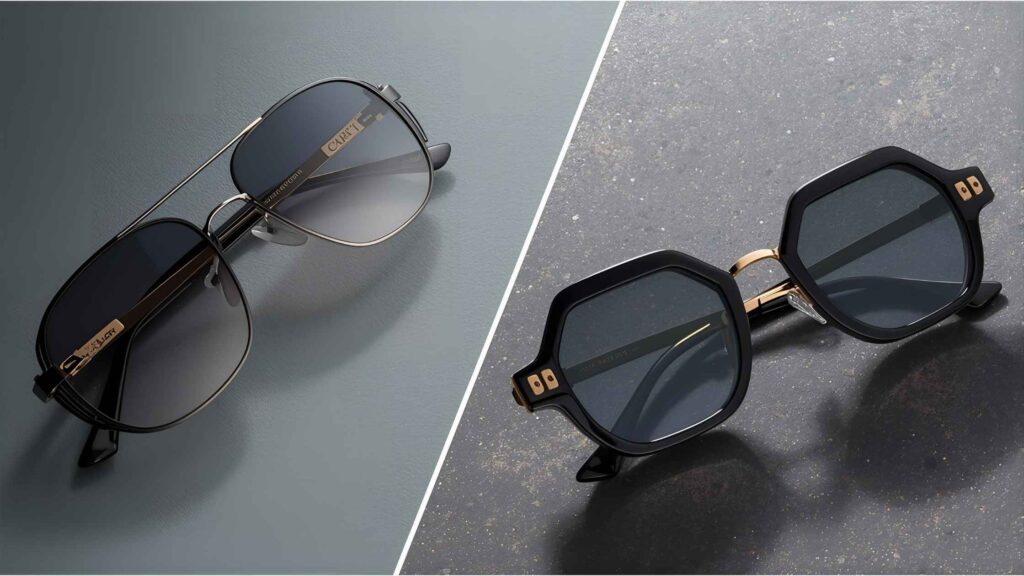
Cartier vs Dita: Which One Should You Choose?
The question of which is better Cartier or Dita resolves through honest self-assessment about your actual needs and authentic style identity.
Choose Cartier if you genuinely operate in contexts where recognized luxury provides social or professional value. If your clients expect visible success markers, if your social circles appreciate heritage brands, if you derive authentic satisfaction from wearing jewelry-house pieces—Cartier delivers appropriate returns. The frames work beautifully for individuals who’ve earned the right to enjoy recognized luxury without apology, who appreciate the emotional dimension of wearing heritage brands, and whose lifestyles center on contexts where Cartier’s prestige enhances rather than complicates interactions.
Cartier also suits collectors who appreciate jewelry craftsmanship and already own pieces from the brand across categories. The eyewear completes luxury narratives rather than existing as isolated purchases. If you wear Cartier watches or jewelry, the frames create visual coherence that demonstrates sophisticated brand understanding.
Choose Dita if you value engineering excellence and functional perfection over external recognition. If you’re building primary eyewear wardrobes needing all-day comfort, if you work in fields where overt luxury signaling would be inappropriate, if you derive satisfaction from owning objectively superior products regardless of whether others recognize the achievement—Dita delivers superior value. The frames particularly suit design professionals, collectors, and individuals whose self-worth doesn’t require external validation through recognizable brands.
Dita also works better for versatile everyday wear across varied contexts. If your days span professional meetings, casual errands, creative pursuits, and social events without time for accessory changes, Dita’s understated sophistication integrates more seamlessly than Cartier’s jewelry-inspired presence.
Consider your existing accessory philosophy. If you consistently choose heritage luxury brands across categories—watches, bags, shoes—Cartier aligns naturally with your established preferences. If you gravitate toward understated quality and engineering-focused brands, Dita represents the eyewear equivalent of that philosophy.
Think practically about recognition needs. If you want frames that signal luxury to observers who matter in your professional or social contexts, Cartier serves that purpose effectively. If you prefer frames that satisfy personal quality standards without requiring external validation, Dita delivers superior intellectual satisfaction.
The honest answer remains that neither brand is universally superior. They represent different luxury philosophies serving different needs and values. The strongest choice aligns with your authentic lifestyle patterns and self-presentation requirements rather than abstract notions about which brand carries more prestige or engineering excellence.
Frequently Asked Questions
Which brand is better, Cartier or Dita?
Neither brand is objectively better—they excel at different things. Cartier delivers jewelry-inspired luxury with heritage prestige and recognizable codes, appealing to those who value brand association and classic elegance. Dita offers engineering-focused luxury with manufacturing perfection and understated sophistication, resonating with design purists who appreciate technical excellence over external recognition. The better choice depends on whether you prioritize heritage prestige and social signaling versus engineering performance and versatile wearability. Both maintain exceptional quality that justifies premium pricing within their respective philosophical approaches.
Are Dita sunglasses better quality than Cartier?
From pure engineering and manufacturing perspective, Dita generally exceeds Cartier in functional performance metrics like comfort optimization, weight distribution, and durability. Dita’s 320-step production process and aerospace-inspired manufacturing create objectively superior ergonomics and structural longevity. However, Cartier offers jewelry-grade finishing and precious materials that Dita doesn’t pursue. “Better quality” depends on your definition—if quality means manufacturing perfection and wearing comfort, Dita leads. If quality includes precious materials and jewelry craftsmanship, Cartier delivers different but equally valid excellence. Both exceed baseline luxury standards significantly.
Is Cartier eyewear worth the price?
Cartier eyewear justifies its premium pricing if you value brand heritage, precious materials, and recognized luxury positioning. The frames deliver genuine jewelry-grade craftsmanship with hand-finishing and premium components that separate them from fashion eyewear. However, significant portions of the price represent brand premium rather than pure manufacturing costs. Whether this represents “worth” depends on how much you value brand association and social signaling. For customers who benefit professionally or personally from recognized luxury, Cartier delivers appropriate value. For those prioritizing pure functional performance, engineering-focused alternatives like Dita offer better cost-to-value ratios.
Which brand lasts longer?
Both brands produce frames that physically last decades with proper care, but longevity involves more than structural durability. Dita’s titanium construction and engineering focus typically deliver superior long-term durability—the frames resist scratching, maintain shape better, and require less maintenance than precious metal alternatives. However, Cartier’s classic designs may remain stylistically relevant longer for some wearers because they reference timeless luxury codes rather than contemporary trends. Dita’s minimalism also resists looking dated, but through different mechanisms. For pure physical longevity, Dita leads. For combined style relevance and structural integrity, both perform excellently with different strengths.
Cartier vs Dita for everyday wear?
Dita generally suits everyday wear better through superior comfort engineering, lighter weight construction, and versatile styling that integrates across varied contexts without demanding outfit coordination. The minimal branding and architectural shapes work equally well with business attire, casual wear, and everything between. Cartier can work for daily wear but requires more lifestyle compatibility—if you operate consistently in luxury contexts where Cartier’s presence fits naturally, they work fine. For most people whose days span multiple contexts requiring different social presentations, Dita’s understated sophistication delivers more practical versatility and all-day comfort.
Do these brands have different styles for men and women?
Both brands produce gender-specific collections, though their approaches differ. Cartier maintains more traditional gender divisions with distinctly feminine styles featuring softer shapes and decorative elements versus masculine frames with architectural geometry. However, many Cartier styles work across genders depending on face size and personal style. Dita takes more gender-neutral approach with most styles suitable for anyone, though they do produce collections marketed toward specific genders. In practice, both brands’ frames get worn across gender boundaries by style-conscious individuals focused on fit and aesthetic rather than marketing categories.
Conclusion
The Cartier vs Dita debate ultimately reveals more about personal values and lifestyle alignment than objective brand superiority. Both represent legitimate luxury approaches with exceptional quality and craftsmanship that justify premium positioning. The meaningful distinction lies not in which brand produces better frames but in which philosophy resonates with your authentic self-presentation needs and aesthetic sensibilities.
Cartier offers heritage luxury with immediate recognition and jewelry-inspired elegance, serving customers who appreciate and benefit from visible prestige. Dita delivers engineering-focused luxury with manufacturing perfection and understated sophistication, appealing to those who value functional excellence over external validation. Neither choice is more evolved or sophisticated—they’re simply different answers to questions about how luxury should communicate and what makes eyewear worth significant investment.
The strongest purchasing decision emerges from honest self-assessment about your actual lifestyle contexts, professional requirements, and authentic style identity. Choose the brand whose philosophy aligns with how you already approach luxury across other categories. When eyewear selection reflects genuine values rather than aspirational concepts or social pressure, the frames deliver satisfaction that extends far beyond initial purchase excitement.
Both Cartier and Dita represent pathways into exceptional luxury eyewear brands that elevate daily experience through thoughtful design and premium execution. The question isn’t which path is objectively better, but which one leads to where you actually want to go.













 Face
Face BB & CC Cream
 Concealer
 Correcter
 Foundation
 Powder
 Primer
 Cheek
Cheek Blush & Highlighters
 Bronzers
 Cheek Pallettes
 Eyes
Eyes Mascara
 Eyeliner
 Eyeshadow
 Eye Sets
 Eyebrow
 Eye Palettes
 Lips
Lips Lip Balm & Treatment
 Lip Gloss
 Lipliner
 Lips Sets
 Lipstick
 Primer Lip Gloss
 Primer Lipstick
 Makeup Brushes & Accessories
 Brush
Brush Makeup Mirrors
 Nails
Nails Nail Polish
 Nail Polish Remover
 Nail Tools & Accessories
 Nail Treatment
 Body Lotions & Body Oils
 Cleansers & Toners
 Eye care
 Face Care
 Hand & Foot Care
 Lip Balms & Treatments
 Makeup Removers
 Masks & Scrubs
 Sun Care

 Hair Colors
 Hair Styling & Treatments
 Hair Dryers
 Personal Scales
 Perfume Coffrets
 Perfume Testers
 All Eyewear
 Unisex
 Optical
 Contact Lenses
 Home Fixtures
 Dining & Bar
 Cooking & Baking