


Latest posts
Cartier Eyewear — Why It’s Worth the Investment

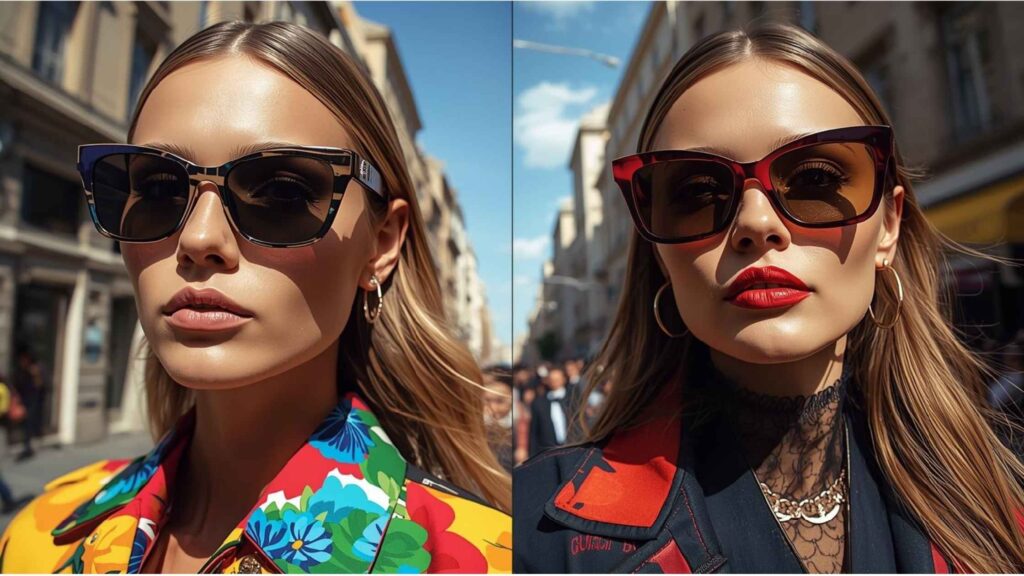
When evaluating whether Cartier eyewear worth it as an investment, understand fundamentally what you’re considering. Cartier isn’t a fashion brand that decided to make sunglasses—it’s a jewelry and watchmaking house with 177 years of history serving royalty, celebrities, and the world’s most discerning collectors. Their eyewear carries the same DNA as their iconic Love bracelets and Tank watches: impeccable craftsmanship, precious materials, and designs that transcend fashion cycles to become permanent classics.
This isn’t about buying expensive sunglasses. It’s about acquiring pieces that function as wearable jewelry, that maintain value rather than depreciating immediately, and that deliver satisfaction through genuine material excellence rather than mere brand prestige. Cartier investment eyewear occupies fundamentally different territory than fashion eyewear—understanding this difference clarifies whether the investment aligns with your priorities and justifies the significant financial commitment.

Table of Contents

What Makes Cartier Eyewear a True Luxury Investment
Fashion eyewear from even prestigious brands like Gucci, Prada, or Saint Laurent operates on seasonal cycles. Designs respond to runway trends, change significantly year-to-year, and date as aesthetics evolve. The materials are good, the construction solid, but the pieces are fundamentally fashion accessories designed for 2-5 years of relevance before styles shift and replacement becomes desirable.
Cartier investment eyewear operates on entirely different timelines and principles. The designs reference the maison’s archival jewelry codes—Santos screws, Panthère motifs, C-Décor signatures—that have remained relevant for decades or even a century. A Santos eyewear piece purchased today will look as appropriate in 2035 as Santos watches from 1980 look today. This design longevity transforms eyewear from depreciating accessories into appreciating or value-maintaining assets.
The material composition includes genuine precious metals rather than fashion-quality alloys. When Cartier lists 18k gold, they mean actual gold content with intrinsic material value beyond brand name. The titanium comes from aerospace suppliers. The acetates are sourced from the same Italian manufacturers supplying haute couture houses. This material authenticity creates tangible value that partially justifies pricing independent of branding.
Construction methods employ jewelry and watchmaking techniques unavailable to pure fashion brands. The assembly involves hundreds of hand-finishing steps. Quality control rejects pieces for flaws invisible to untrained eyes. The engineering ensures frames maintain their integrity through decades of careful use, not just seasons of occasional wear. This durability means long-term luxury investments rather than renewable fashion purchases.
Resale value demonstrates genuine investment characteristics. Vintage Cartier eyewear from the 1980s and 1990s now sells for significant percentages of original retail, sometimes exceeding it for rare pieces. Fashion brand eyewear from the same period typically has negligible resale value. Limited edition Cartier frames appreciate among collectors. This secondary market performance validates investment framing rather than mere consumer spending.
The psychological value proposition differs fundamentally. Fashion eyewear delivers immediate satisfaction and trend participation. Cartier delivers enduring satisfaction from owning genuinely precious objects that improve your daily experience while maintaining or increasing value. You’re not spending money that disappears—you’re converting cash into tangible luxury goods with lasting worth.
Craftsmanship, Materials & Real Gold Details
Precious Metals and Gold Accents
Cartier sunglasses worth buying feature genuine 18-karat gold plating or solid 18k gold components—not gold-colored brass or thin flash plating that wears through quickly. The gold content is verifiable, substantial, and applied through processes ensuring decades of wear without degradation. This precious metal application alone represents hundreds of dollars of material value per frame.
The gold appears throughout constructions—not just on visible decorative elements but on screws, hinges, bridges, and structural components. Cartier doesn’t economize by using gold only where customers see it. This comprehensive precious metal integration demonstrates the fundamental difference between jewelry houses and fashion brands. Every component receives jewelry-level consideration and execution.
Platinum details appear on certain high-end models, adding even greater material value and creating distinctive color tones impossible through surface treatments alone. The platinum content is genuine—another precious metal with intrinsic worth and investment characteristics. These aren’t costume jewelry tricks; they’re authentic luxury materials chosen without regard to cost optimization.
The finishing quality of metalwork reaches jewelry standards. Surfaces are polished through multiple stages achieving mirror-like reflectivity. Engraved details show crisp precision. Dimensional elements demonstrate clean execution and secure attachment. The metalwork doesn’t just look expensive initially—it maintains that appearance through years of handling and wear that would degrade lesser materials.
Durability and Engineering Precision
Titanium constructions use aerospace-grade alloys chosen for specific strength-to-weight characteristics and corrosion resistance. The material selection process mirrors what Cartier employs for watch cases—no compromises, only optimal materials for intended purposes. This titanium costs multiples of standard alloys but delivers genuinely superior performance across decades of use.
Proprietary metal alloys developed for Cartier’s jewelry and watchmaking divisions provide specific color tones, durability characteristics, and working properties unavailable to brands without similar manufacturing infrastructure. These custom alloys represent significant research and development investments that smaller luxury houses simply cannot match. The material science involved justifies premium pricing through genuine technical superiority.
Hinge engineering employs watchmaking principles and precision. The components fit with tolerances measured in microns. The operation remains smooth and precise through hundreds of thousands of open-close cycles representing decades of daily use. Spring mechanisms maintain proper tension indefinitely. This mechanical reliability comes from applying century-plus watchmaking expertise to eyewear construction.
The frames undergo stress testing and quality assurance protocols typical of jewelry and watches rather than fashion accessories. Temperature cycling, humidity exposure, impact resistance, and long-term wear simulation ensure pieces perform reliably across varied conditions and extended periods. Cartier can guarantee this durability because testing validates it rather than hoping construction proves adequate.
Lens mounting and retention use techniques ensuring optical elements remain secure and properly positioned through years of frame flexing and temperature variations. The lenses won’t loosen, shift, or fall out prematurely—a common failure mode in fashion eyewear after moderate use. This attention to long-term structural integrity protects your investment by ensuring frames remain functional, not just decorative, indefinitely.
Timeless Design vs Trend-Driven Eyewear
Timeless eyewear from Cartier evolves through subtle refinement rather than dramatic reinvention. The Santos collection maintains recognizable design codes across decades—exposed screws, geometric precision, aviation heritage references. New Santos releases don’t contradict older pieces; they coexist naturally within cohesive family. This consistency means your collection grows harmoniously rather than dating previous purchases.
The design philosophy prioritizes architectural proportion and classical aesthetics over trend responsiveness. Cartier doesn’t chase viral silhouettes or seasonal must-haves. Frame shapes reference the maison’s archival jewelry and watch designs, creating eyewear that feels like natural extensions of Cartier’s broader luxury universe. This design discipline ensures pieces remain current through refusing to be trendy initially.
Minimal branding serves longevity beautifully. Cartier logos appear engraved small on temples rather than screaming from exterior surfaces. The frames should be recognizable through proportion, quality, and signature details rather than obvious logos. This restraint means the eyewear never feels dated by logo trends or branding styles that fall from fashion favor. The pieces remain elegant indefinitely.
Cost-per-wear logic transforms seemingly expensive purchases into reasonable investments. A $2,000 Cartier frame worn regularly for 10-15 years costs approximately $0.40-$0.55 daily. Fashion brand frames at $500 worn for 3 years before replacement or obsolescence cost $0.45 daily—comparable despite lower initial outlay. If Cartier frames last 20+ years, the cost-per-wear becomes extraordinary value despite premium pricing.
The classic silhouettes work universally across wardrobes and occasions. Cartier frames coordinate with business attire, casual wear, formal events, and travel without requiring specific styling or feeling contextually inappropriate. This versatility increases wear frequency and lifespan, maximizing return on investment. You’re not purchasing specialty pieces for limited contexts but foundational luxury serving daily needs.
Fashion investment wisdom suggests allocating budgets toward timeless pieces rather than trend-dependent items. Cartier eyewear perfectly exemplifies smart luxury allocation—significant upfront investment delivering decades of satisfaction and maintaining substantial value. Fashion eyewear represents renewable spending generating temporary satisfaction before requiring replacement. The investment calculus strongly favors Cartier for those building permanent luxury collections.
Are Cartier Sunglasses Worth Buying?
Are Cartier sunglasses worth buying? Yes, definitively, for specific buyer profiles and circumstances. If you’re building permanent luxury collections intended to last decades, appreciate genuine material value and craftsmanship excellence, want eyewear that will remain stylish indefinitely, and can afford the initial investment without financial strain—Cartier represents smart luxury allocation delivering superior long-term value.
The investment makes particular sense for established professionals whose positions demand accessories communicating success and taste. Cartier signals you’ve reached levels where quality is non-negotiable and price becomes secondary to excellence. In business contexts with sophisticated clients or partners, Cartier recognition provides subtle social currency and credibility enhancement worth quantifying.
Collectors building cohesive luxury wardrobes across categories find Cartier eyewear natural complements to jewelry and watches from the same house. The design consistency creates visual harmony and demonstrates sophisticated curatorial taste. If you already own Cartier jewelry or timepieces, the eyewear completes that aesthetic family beautifully while likely appreciating alongside other pieces.
The investment becomes questionable for those who: lose or damage sunglasses frequently (insure expensive pieces or choose more disposable options); prefer refreshing eyewear collections every few years following trends (fashion brands serve this better); cannot comfortably afford the pricing without financial stress; or simply don’t value the intangible prestige and psychological satisfaction Cartier delivers beyond functional sun protection.
Timing matters strategically. Purchase Cartier during stable financial periods when the investment won’t create budget stress. Avoid stretching finances uncomfortably for luxury goods regardless of investment potential. The pieces should enhance life rather than creating anxiety. For those financially comfortable making the purchase, the timing question becomes simply when you’re ready to acquire genuinely investment-grade eyewear.
Cartier makes more sense than fashion brands when: you want pieces lasting 10-20+ years rather than 2-5 years; material value and craftsmanship excellence matter as much as aesthetics; you appreciate heritage luxury and jewelry-house prestige; resale value and potential appreciation interest you; or you simply want the finest eyewear available regardless of cost considerations.
Cartier vs Dior — Which Holds Better Value?
Cartier vs Dior value comparison reveals fundamental positioning differences despite both being French luxury houses. Cartier operates as jewelry and watchmaking specialist applying century-plus precious goods expertise to eyewear. Dior functions as fashion house extending ready-to-wear aesthetics into accessories. Both create beautiful, well-made pieces; the investment characteristics diverge significantly.
Material composition favors Cartier decisively. The genuine 18k gold, platinum, and precious alloys Cartier employs have intrinsic material worth independent of branding. Dior uses quality materials appropriate for fashion luxury but without precious metal content creating tangible asset value. If both brands disappeared tomorrow, Cartier frames would retain melt value from precious materials while Dior frames would have only collectible value.
Design longevity tilts toward Cartier through jewelry-inspired codes versus fashion-responsive aesthetics. Cartier designs reference archival pieces from the 1900s-1920s that remain iconic today. Dior designs, while often timeless and elegant, still respond to fashion direction and creative director changes. A Cartier Santos looks as appropriate today as in 1980; Dior frames may show subtle dating as aesthetics evolve.
Resale markets demonstrate Cartier’s stronger value retention. Vintage Cartier eyewear commands significant percentages of original retail, sometimes exceeding it for rare pieces. Dior eyewear typically depreciates more steeply unless from particularly iconic seasons or collaborations. This secondary market performance validates Cartier’s investment positioning versus Dior’s luxury fashion positioning.
Brand perception differs in meaningful ways. Cartier represents absolute luxury apex—jewelry for royalty, watches worth more than cars, uncompromising excellence across 177 years. Dior represents high fashion luxury—beautiful clothes, coveted accessories, runway prestige. Both are prestigious; Cartier skews more timeless permanence while Dior maintains more fashion relevance and contemporary cultural presence.
Pricing overlaps at top ends, making cost alone insufficient for decision-making. Both brands charge $500-$2,000+ for premium eyewear. The value question centers on what you’re paying for: Cartier delivers jewelry-grade construction and materials; Dior delivers fashion-forward design and brand cachet. Neither is overpriced for what it offers—they simply offer different value propositions.
Premium craftsmanship characterizes both brands but manifests differently. Cartier obsesses over invisible details like hinge precision and decades-long durability. Dior emphasizes beautiful finishing and refined aesthetics. Both approaches are valid; Cartier serves collectors and long-term investors while Dior serves fashion enthusiasts and trend-aware luxury consumers. Choose based on whether you’re building permanent collections or curating current wardrobes.

Frequently Asked Questions About Cartier Eyewear
Is Cartier eyewear really worth the investment?
Yes, Cartier eyewear worth it as genuine investment for buyers valuing material excellence, design longevity, and heritage prestige over trend participation. The frames feature authentic 18k gold, platinum, and precious alloys with intrinsic material worth. Jewelry-level craftsmanship ensures 10-20+ year lifespans with proper care. Timeless designs referencing archival Cartier codes remain stylish indefinitely rather than dating. Strong resale markets and occasional appreciation validate investment framing. However, worth depends on personal priorities. If you refresh eyewear frequently following trends, lose accessories regularly, or simply don’t value intangible prestige, the investment may not align with your usage patterns. For collectors building permanent luxury wardrobes, the investment delivers exceptional long-term value.
Are Cartier sunglasses made with real gold?
Yes, Cartier investment eyewear incorporates genuine 18-karat gold plating or solid 18k gold components—not gold-colored metal or thin plating. The gold content is substantial and verifiable, applied through processes ensuring durability through decades of wear. Higher-end models may include platinum details adding further precious metal value. Cartier employs the same precious materials and techniques used in their fine jewelry, creating eyewear with tangible material worth beyond brand prestige. The gold appears throughout constructions including screws, hinges, and structural elements—not just decorative visible components. This comprehensive precious metal integration justifies significant pricing through actual material value plus craftsmanship excellence.
How long does Cartier eyewear last?
Premium craftsmanship ensures Cartier eyewear lasts 10-20+ years with proper care, often exceeding this with professional maintenance. The jewelry and watchmaking construction techniques, precious metal components, and rigorous quality control create frames engineered for decades of regular use rather than seasons of occasional wear. Hinges maintain precision through hundreds of thousands of cycles. Materials resist corrosion, discoloration, and degradation. Properly maintained Cartier frames become heirloom pieces passed down generations rather than disposable accessories requiring frequent replacement. The longevity transforms seemingly expensive purchases into excellent cost-per-wear value and genuine long-term luxury investments. Regular professional cleaning and occasional adjustment extend lifespan indefinitely.
Is Cartier eyewear better than fashion brands?
Cartier eyewear operates in fundamentally different category than fashion brand eyewear through jewelry-house expertise, precious material content, and timeless design philosophy. “Better” depends on evaluation criteria. Cartier delivers superior material value (genuine gold/platinum), longer functional lifespan (decades vs years), stronger value retention (significant resale vs steep depreciation), and timeless aesthetics (archival codes vs trend responses). Fashion brands like Gucci or Dior offer more trend-forward designs, broader style variety, lower entry pricing, and stronger fashion-moment relevance. Cartier suits collectors and long-term investors; fashion brands serve trend-aware luxury consumers. Neither is objectively superior—they serve different needs and priorities within luxury markets.
How can you tell if Cartier eyewear is authentic?
Authentic Cartier investment eyewear features crisp engraving with perfect lettering spacing and depth on temples. Serial numbers appear clearly on interior arms matching authenticity certificates. Precious metal components show appropriate weight and color—genuine 18k gold has distinctive heft and tone. Construction quality is flawless with jewelry-level finishing, perfect alignment, and smooth hinge operation. Packaging includes signature Cartier red boxes, branded cases, certificates, and documentation with matching serial numbers. Materials feel unmistakably premium—acetate dense and perfect, metals substantial. The craftsmanship should be immediately apparent with zero rough edges or inconsistencies. Purchase exclusively from authorized Cartier boutiques or verified luxury retailers to guarantee authenticity and valid warranties.
Final Verdict: Smart Luxury, Lasting Value
Cartier eyewear worth it question has clear answer for those understanding what they’re actually evaluating. You’re not buying sunglasses competing with fashion brands on trendy aesthetics or accessible pricing. You’re acquiring wearable jewelry from a 177-year-old house that has served emperors, created iconic designs defining luxury, and maintained uncompromising standards across nearly two centuries.
The investment delivers returns beyond mere function or fashion. You receive genuine precious materials with intrinsic worth, craftsmanship applying jewelry and watchmaking expertise unavailable elsewhere, designs remaining relevant across decades, and social currency communicating taste and success to those who recognize quality. The pieces become part of permanent collections and potential heirlooms rather than disposable accessories requiring periodic replacement.
Luxury frames value from Cartier centers on longevity, excellence, and permanence. The cost-per-wear over 10-20+ years makes seemingly expensive pieces reasonable investments. The material value provides downside protection through resale markets. The timeless aesthetics ensure you never tire of pieces or feel they’ve dated. The psychological satisfaction of owning genuinely finest-available luxury delivers daily returns impossible to quantify financially.
For established professionals building permanent luxury collections, collectors appreciating heritage craftsmanship, or anyone who’s reached levels where excellence matters more than cost—Cartier eyewear represents smart luxury allocation. The investment requires significant capital but delivers proportional returns through daily satisfaction, lasting quality, and genuine value retention unusual in accessory categories.
The definitive guidance: If you can afford Cartier without financial strain, value material excellence and lasting quality, want eyewear serving you for decades, and appreciate heritage luxury over fashion trends—invest confidently. These pieces reward you continuously through their lifespan and maintain worth long after fashion accessories have been discarded and forgotten. This is luxury that lasts, investment that delivers, excellence that endures.













 Face
Face BB & CC Cream
 Concealer
 Correcter
 Foundation
 Powder
 Primer
 Cheek
Cheek Blush & Highlighters
 Bronzers
 Cheek Pallettes
 Eyes
Eyes Mascara
 Eyeliner
 Eyeshadow
 Eye Sets
 Eyebrow
 Eye Palettes
 Lips
Lips Lip Balm & Treatment
 Lip Gloss
 Lipliner
 Lips Sets
 Lipstick
 Primer Lip Gloss
 Primer Lipstick
 Makeup Brushes & Accessories
 Brush
Brush Makeup Mirrors
 Nails
Nails Nail Polish
 Nail Polish Remover
 Nail Tools & Accessories
 Nail Treatment
 Body Lotions & Body Oils
 Cleansers & Toners
 Eye care
 Face Care
 Hand & Foot Care
 Lip Balms & Treatments
 Makeup Removers
 Masks & Scrubs
 Sun Care

 Hair Colors
 Hair Styling & Treatments
 Hair Dryers
 Personal Scales
 Perfume Coffrets
 Perfume Testers
 All Eyewear
 Unisex
 Optical
 Contact Lenses
 Home Fixtures
 Dining & Bar
 Cooking & Baking