


Latest posts
Dita vs Gentle Monster – Modern Eyewear Comparison

Two titans dominate contemporary eyewear from opposite philosophies. Dita represents Japanese heritage luxury—meticulous craftsmanship, timeless design, and eyewear as investment pieces that transcend trends. Gentle Monster embodies Korean fashion innovation—experimental silhouettes, cultural disruption, and frames designed for Instagram moments rather than decades of wear. When comparing Dita vs Gentle Monster, you’re not simply choosing between two luxury brands; you’re declaring whether you value enduring craftsmanship or cutting-edge trend leadership.
This luxury sunglasses comparison explores fundamental differences in design philosophy, construction quality, cultural positioning, and who each brand serves best. The answer to which deserves your investment depends entirely on whether you’re building a curated eyewear collection for years or chasing the aesthetic that defines this cultural moment. Let’s dissect exactly what separates these modern eyewear powerhouses.
Table of Contents
Brand Identity & Cultural DNA
Dita — Japanese Precision & Quiet Luxury
Dita emerged in 1995 from Los Angeles but channels Japanese manufacturing excellence and design philosophy completely. The brand operates on principles of understated luxury—exceptional quality communicated through tactile experience rather than obvious branding. Every frame undergoes months of production involving hundreds of individual steps, many completed by hand using techniques borrowed from traditional Japanese craftsmanship.
The aesthetic vocabulary emphasizes restraint and refinement. Dita frames feature clean lines, perfect proportions, and details that reward close examination rather than demanding attention from across rooms. Branding appears minimal—often just subtle logo placement visible only when frames are removed. This quiet luxury approach appeals to consumers who’ve moved beyond logo-driven status signaling toward appreciation for genuine craftsmanship.
Dita’s heritage positioning creates timeless relevance. Frames from fifteen years ago look entirely current because the design language prioritizes classic proportions over trend-chasing. This longevity justifies premium pricing for buyers building permanent eyewear collections rather than seasonal rotations. The brand represents Japanese eyewear tradition meeting contemporary luxury—excellence through obsessive attention to invisible details.

Gentle Monster — Korean Fashion & Experimental Design
Gentle Monster launched in Seoul in 2011 and immediately disrupted luxury eyewear through radical experimentation and cultural savvy. The brand treats eyewear as fashion-forward accessories designed for maximum visual impact and social media virality. Stores resemble art installations more than retail spaces, creating Instagram-worthy environments that generate organic marketing through visitor photography.
The design philosophy embraces bold experimentation. Frames feature exaggerated proportions, unexpected material combinations, and silhouettes that push boundaries traditional luxury brands avoid. Gentle Monster releases frequent collaborations with K-pop stars, fashion designers, and cultural icons, ensuring constant trend relevance and cultural conversation. This rapid style evolution keeps the brand perpetually current but means specific designs can date quickly.
Korean eyewear innovation through Gentle Monster prioritizes cultural impact over heritage longevity. The frames make statements rather than whisper quality. Branding can be prominent when it serves design concepts. The brand understands contemporary consumers—particularly younger, digitally-native shoppers—want accessories that photograph dramatically and signal cultural awareness. Gentle Monster delivers this completely, often at expense of timeless versatility.

Design Aesthetic Comparison
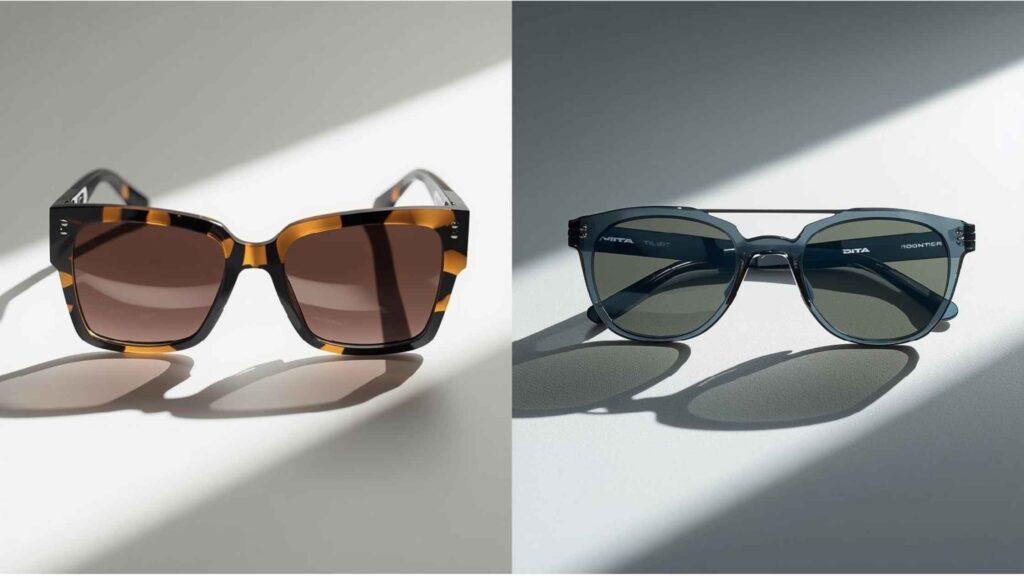
Dita operates primarily within recognizable frame categories—aviators, wayfarers, cat-eyes, rounds—executed with exceptional refinement. The innovation comes through proportion adjustments, material choices, and finishing quality rather than radical silhouette experimentation. You’ll find perfectly balanced aviators with architectural temples, cat-eyes with subtle modern updates, or rectangular frames demonstrating mathematical precision in their geometry.
The color palette emphasizes sophisticated neutrals: classic blacks, rich tortoiseshells, brushed metals, and occasional muted tones. Even when Dita introduces bolder colors, they maintain refined sensibility—deep burgundy instead of bright red, forest green rather than neon lime. The restraint ensures frames coordinate universally with existing wardrobes and maintain relevance across seasons.
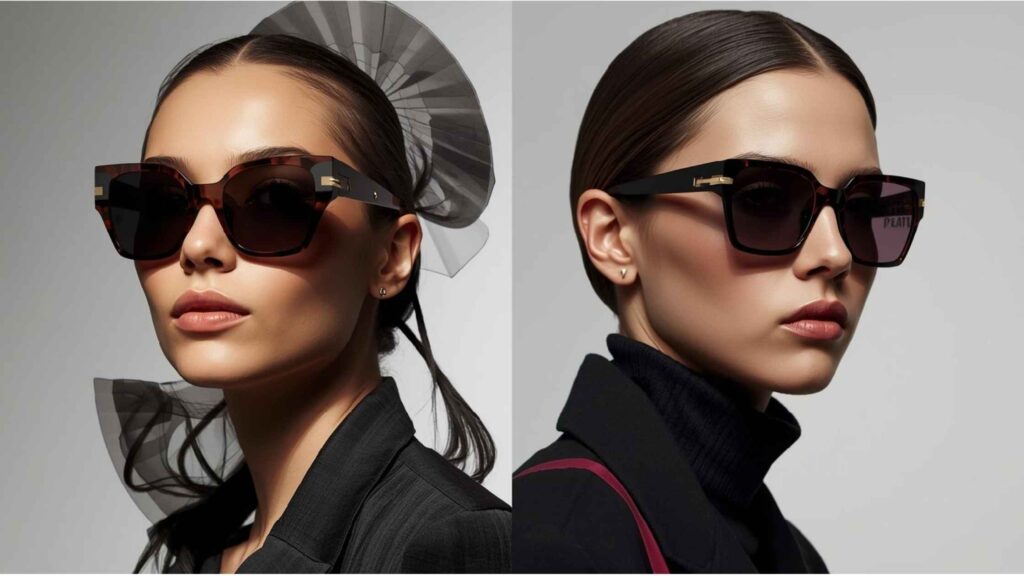
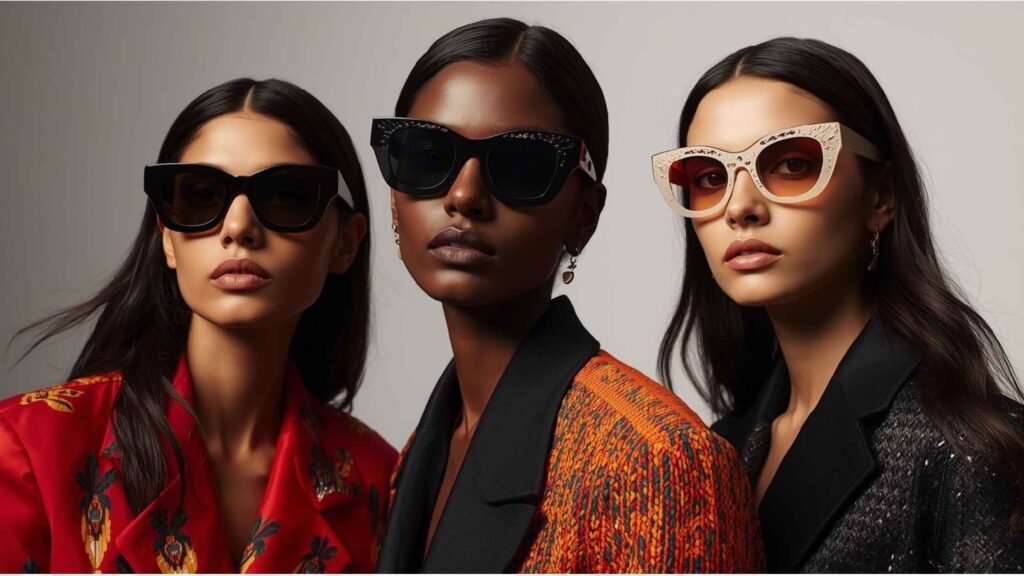
Gentle Monster deliberately pushes into experimental territory traditional luxury avoids. You’ll encounter oversized shields that dominate faces, geometric constructions referencing architecture or art movements, and proportions that challenge conventional eyewear logic. Frame shapes evolve seasonally, responding to and often predicting eyewear trends rather than maintaining consistent codes.
Color experimentation runs wild. Bright pastels, metallics, transparent acetates, iridescent finishes—Gentle Monster embraces the full spectrum because frames are designed as fashion statements first, vision correction second. The branding varies dramatically by collection, sometimes minimal, occasionally prominent, always serving the specific design narrative. This flexibility creates distinct visual identities across different lines.
The aesthetic comparison reveals fundamental philosophical differences. Dita asks “how can we perfect this classic shape?” while Gentle Monster asks “what haven’t we tried yet?” Neither approach is superior—they serve completely different consumer needs and style personalities.
Build Quality & Materials
Dita Construction Excellence
Dita’s reputation rests heavily on manufacturing quality that rivals fine watchmaking. The Japanese eyewear production techniques involve over 320 individual steps for complex acetate frames. Titanium constructions use aerospace-grade alloys polished through multiple stages achieving jewelry-level surface quality. Hinges operate with precision smoothness that feels satisfying and lasts years without loosening.
Acetate quality is immediately apparent—dense, layered materials with genuine depth rather than flat surface coloring. Dita sources premium Italian acetates then hand-cuts and hand-polishes each component. The edges are flawless. Color transitions in tortoiseshell patterns show natural variation. Everything communicates that you’re holding something genuinely precious.
Lens quality matches frame excellence. Optical clarity is exceptional. Coatings resist scratches effectively. Gradient tints transition smoothly. Polarized options genuinely reduce glare without color distortion. The lenses are sized and shaped to provide real sun protection, not merely decorative tinting. This comprehensive quality approach justifies Dita’s premium positioning—you’re paying for excellence across every component.
Comfort receives obsessive attention. Weight distribution ensures frames feel balanced despite substantial construction. Temple design prevents pressure behind ears during extended wear. Nose bridges (on metal frames) adjust easily for customized fit. These frames are engineered for people who wear sunglasses for hours daily, not just Instagram photo sessions.
Gentle Monster Build Reality
Gentle Monster’s construction quality occupies interesting middle ground—definitely above mass market, sometimes matching genuine luxury, occasionally prioritizing design over durability. The Korean eyewear manufacturing standards have improved dramatically as the brand matured, but consistency varies across different collections and price points.
Standard acetate frames use good-quality materials with solid construction. They’re not Dita-level obsessive, but they’re genuinely well-made for fashion eyewear. More experimental pieces—those with complex geometries, mixed materials, or unusual constructions—sometimes sacrifice some durability for design achievement. These frames might feel slightly more delicate than traditional luxury pieces.
Hinges generally function smoothly though not quite with Dita’s precision engineering. You might experience slightly more loosening over time requiring occasional tightening. This isn’t poor quality necessarily—it’s the trade-off for bolder experimentation and faster production cycles. Gentle Monster prioritizes getting trendy designs to market quickly over perfecting every invisible detail.
Lens quality is perfectly adequate for fashion sunglasses. UV protection is comprehensive. Optical clarity is good. However, you won’t find the same meticulous attention to coating perfection or gradient precision that characterizes ultra-luxury brands. For most wearers, this difference is negligible—the lenses protect eyes and look good. Only those comparing directly to premium brands notice the gap.
Comfort varies significantly by style. More extreme proportions or experimental shapes can feel front-heavy or create pressure points during extended wear. Gentle Monster accepts these compromises because the target customer isn’t wearing these frames for eight-hour workdays—they’re wearing them for fashion moments, events, and social documentation.
Trend Positioning & Fashion Influence
Dita maintains steady fashion relevance without chasing viral moments. The brand appears in fashion editorials, luxury magazines, and on discerning celebrities who favor understated quality. You’ll see Dita on serious actors, established musicians, and fashion insiders who’ve moved past obvious trends. This positioning creates aspirational appeal for consumers seeking sophisticated luxury rather than momentary hype.
The trend approach emphasizes evolution over revolution. Dita introduces new colorways, subtle proportion updates, or material innovations rather than completely reinventing their aesthetic seasonally. This creates collecting appeal—you can own multiple Dita pieces across years without them feeling dated or contradictory. The frames work together building cohesive luxury wardrobes.
Gentle Monster dominates contemporary eyewear trends through aggressive cultural engagement. The brand collaborates constantly with K-pop stars, fashion designers, and cultural influencers generating perpetual buzz. When major K-pop groups wear Gentle Monster in music videos, millions of fans immediately seek identical styles. This cultural amplification creates trend cycles Dita simply doesn’t participate in.
Social media presence dramatically favors Gentle Monster. The bold designs photograph exceptionally well. The distinctive store environments generate organic content. The frequent collaborations create FOMO (fear of missing out) driving purchase decisions. For younger, digitally-native consumers, this cultural relevance matters as much as construction quality.
The longevity question becomes crucial here. Dita’s trend positioning suggests frames remain stylish indefinitely. Gentle Monster’s rapid evolution means today’s must-have style might feel dated in 2-3 years when new aesthetics dominate. Neither approach is wrong—they serve different consumer priorities regarding fashion temporality.
Price, Value & Accessibility
Dita pricing typically ranges $400-$800 for standard collections, with limited editions and special collaborations reaching $1,000-$2,000+. This positions firmly in genuine luxury territory—expensive but not ultra-luxury like Cartier or Maybach. The pricing reflects genuine manufacturing costs including premium materials, labor-intensive production, and Japanese precision engineering.
The value proposition centers on longevity and timeless design. You’re paying significant money upfront but acquiring frames that should last years with proper care and remain stylish throughout. The cost-per-wear calculation over 5-10 years makes Dita reasonable for buyers who view eyewear as investment purchases rather than seasonal accessories.
Gentle Monster pricing varies more widely—$200-$500 covers most standard collections, with special editions and collaborations occasionally exceeding $600. This accessible luxury positioning makes the brand attainable for younger consumers and those building larger eyewear collections. You can own multiple Gentle Monster pieces for the cost of single Dita frames.
The value equation differs significantly. You’re paying for design innovation, trend relevance, and cultural cachet rather than obsessive craftsmanship or timeless longevity. The frames serve you beautifully for 1-3 years while that aesthetic dominates, then you likely move to newer styles as trends evolve. For consumers who enjoy refreshing their look frequently, this model makes perfect sense.
Accessibility extends beyond pricing. Gentle Monster maintains strong online presence with global shipping making frames easily available worldwide. The brand’s trendy positioning and social media visibility mean you can easily research styles, see them on influencers, and purchase confidently. Dita requires more research, often benefits from in-person fitting, and has more limited distribution creating slight barriers to casual purchase.
Who Should Choose Dita or Gentle Monster?
Choose Dita If You:
- Value craftsmanship and materials quality above trend relevance
- Build curated luxury collections intended to last decades
- Prefer understated sophistication over bold fashion statements
- Work in professional environments where subtle quality matters
- Appreciate Japanese design philosophy and manufacturing excellence
- Want frames that remain stylish regardless of trend cycles
- View eyewear as investment pieces justifying significant spending
- Already own quality watches, leather goods, or other heritage luxury
Dita serves collectors, professionals, and luxury enthusiasts who’ve developed confident personal style independent of trend validation. You know what works for you and want the finest execution of those preferences.
Choose Gentle Monster If You:
- Prioritize trend leadership and cultural relevance over timeless design
- Enjoy refreshing your eyewear collection every 1-3 years
- Want frames that photograph dramatically for social media
- Follow K-pop, Korean fashion, or contemporary Asian culture
- Appreciate experimental design and bold proportions
- Prefer accessories that make immediate visual statements
- Value cultural cachet and brand buzz over invisible craftsmanship
- Want luxury aesthetics at accessible price points
Gentle Monster appeals to fashion-forward consumers, trend leaders, and younger shoppers who view eyewear as expressive accessories rather than permanent investments. You want what’s exciting right now, not what’s been excellent for decades.
The Hybrid Approach
Many sophisticated eyewear collectors own both brands serving different needs. Dita becomes the reliable, versatile option for daily wear, professional contexts, and timeless styling. Gentle Monster provides bold fashion moments, experimental styles, and trend participation. This dual approach delivers maximum versatility without choosing between philosophies.
Gentle Monster Alternatives
If Gentle Monster’s aesthetic appeals but you’re seeking different price points, construction quality, or specific design variations, several Gentle Monster alternatives deserve consideration:
FLATLIST Eyewear offers similarly bold Korean design at slightly lower price points with good construction quality. The aesthetic channels Gentle Monster’s experimental spirit while sometimes providing better value.
Kuboraum brings European avant-garde sensibility with artistic, sculptural frames that appeal to similar fashion-forward sensibilities. The Italian construction quality often exceeds Gentle Monster while prices remain comparable.
CARIN represents another Korean brand pursuing experimental eyewear with cultural awareness. Slightly more affordable than Gentle Monster while maintaining trendy aesthetics and decent quality.
Linda Farrow collaborations provide runway-level experimental frames with potentially better construction depending on specific lines. Pricing varies but can overlap with Gentle Monster’s upper range.
These alternatives work when you want Gentle Monster’s bold aesthetic but specific designs, pricing, or availability make alternatives worth exploring. However, Gentle Monster’s unique cultural positioning and trend leadership remain difficult to replicate completely.
Dita vs Gentle Monster FAQs
Is Dita better quality than Gentle Monster?
Yes, Dita delivers objectively superior construction quality through Japanese precision manufacturing involving 320+ individual production steps, premium Italian acetates, aerospace-grade titanium, and jewelry-level finishing. Hinges operate with exceptional smoothness, materials feel substantially dense, and details demonstrate obsessive craftsmanship. Gentle Monster offers good quality for fashion eyewear but prioritizes design innovation and trend cycles over perfection of invisible details. Construction is solid but not luxury-tier obsessive. If pure craftsmanship quality determines your purchase, Dita wins decisively. However, “better” depends on priorities—Gentle Monster’s bold design innovation and cultural relevance provide different value propositions than Dita’s manufacturing excellence.
Is Gentle Monster considered luxury eyewear?
Gentle Monster occupies accessible luxury or premium fashion positioning rather than traditional luxury tier. Pricing ($200-$500 typically) sits below heritage luxury brands, and the brand prioritizes trend relevance over timeless craftsmanship heritage. However, the sophisticated retail environments, cultural cachet, celebrity associations, and premium-than-mainstream quality justify luxury consideration for younger, fashion-forward consumers. The Korean eyewear brand has successfully created luxury perception through design innovation and cultural influence rather than heritage prestige. Think contemporary luxury similar to Acne Studios or Off-White versus traditional luxury like Cartier or Hermès. The distinction matters less than whether the frames deliver the fashion impact and quality you’re seeking.
Which brand is more trendy right now?
Gentle Monster dominates current eyewear trends decisively through aggressive cultural engagement, K-pop collaborations, social media presence, and bold experimental designs that define contemporary fashion moments. The brand intentionally chases and creates trends, making it the obvious choice for trend-conscious consumers. Dita maintains steady sophisticated relevance but doesn’t pursue viral trends or rapid style evolution. Dita appeals to those who’ve moved beyond trend-chasing toward confident personal style, while Gentle Monster serves fashion leaders wanting what’s exciting right now. If Instagram visibility, cultural buzz, and wearing what influencers currently favor matters to you, Gentle Monster delivers unquestionably. Dita offers timeless sophistication that never peaks or crashes trend-wise.
Are Dita sunglasses worth the price?
For buyers valuing exceptional craftsmanship, timeless design, and eyewear longevity, Dita sunglasses absolutely justify $400-$800+ pricing through genuine manufacturing excellence, premium materials, and designs that remain stylish across decades. The cost-per-wear over 5-10 years makes them reasonable investments for permanent collections. However, worth depends entirely on personal priorities. If you refresh eyewear every 1-2 years chasing trends, prefer bold fashion statements over understated quality, or don’t value invisible craftsmanship details, Dita’s premium pricing won’t feel justified. The frames serve buyers building curated luxury wardrobes who appreciate Japanese eyewear precision and want pieces that transcend seasonal fashion cycles. Evaluate against your actual usage patterns and style philosophy.
Who should choose Gentle Monster over Dita?
Choose Gentle Monster if you prioritize trend leadership, cultural relevance, bold experimental design, and accessible luxury pricing over timeless craftsmanship and understated sophistication. The brand suits fashion-forward consumers who refresh collections every 1-3 years, follow Korean fashion and K-pop culture, want frames that photograph dramatically for social media, work in creative industries where expressive style enhances professional image, and prefer immediate visual impact over subtle quality appreciation. Gentle Monster also makes sense for building larger eyewear wardrobes on moderate budgets—multiple Gentle Monster pieces cost less than single Dita frames. If you’re young, digitally native, trend-conscious, and view eyewear as seasonal fashion accessories rather than permanent investments, Gentle Monster delivers exactly what you want.
Final Verdict: Which Wins the Modern Eyewear Battle?
Dita vs Gentle Monster doesn’t have a universal winner because they compete for fundamentally different consumers with opposing priorities. The question isn’t which brand is objectively better—it’s which philosophy aligns with your personal values regarding fashion, quality, and self-expression.
Dita wins decisively on:
- Craftsmanship: Obsessive Japanese precision manufacturing
- Materials quality: Premium acetates, titanium, superior finishing
- Timeless design: Frames remain stylish across decades
- Long-term value: Cost-per-wear over years justifies premium pricing
- Professional versatility: Sophisticated enough for any context
- Subtle luxury: Quality appreciation over obvious branding
Gentle Monster wins decisively on:
- Trend relevance: Cutting-edge designs defining current fashion
- Cultural impact: K-pop collaborations and social media dominance
- Design innovation: Experimental silhouettes pushing boundaries
- Accessible pricing: Luxury aesthetics at attainable price points
- Instagram appeal: Bold designs photographing dramatically
- Youthful energy: Contemporary cool versus heritage sophistication
The sophisticated choice? Own both strategically. Build your foundation around 1-2 versatile Dita pieces providing timeless quality for professional contexts and daily reliability. Add Gentle Monster frames for fashion moments, experimental styling, and trend participation. This approach delivers maximum versatility without artificial choosing between philosophies.
For immediate purchase decisions, let your wardrobe and lifestyle guide you. If your closet leans toward heritage luxury, classic silhouettes, and timeless pieces from brands like The Row or Celine, Dita makes perfect sense. If you wear Korean streetwear, follow fashion influencers religiously, and refresh your wardrobe seasonally, Gentle Monster aligns naturally.
The winner depends entirely on whether you’re building eyewear collections for Instagram or for life. Both answers are completely valid—just be honest about which describes you, and choose accordingly. Your perfect frames await, whether they whisper Japanese precision or shout Korean innovation.













 Face
Face BB & CC Cream
 Concealer
 Correcter
 Foundation
 Powder
 Primer
 Cheek
Cheek Blush & Highlighters
 Bronzers
 Cheek Pallettes
 Eyes
Eyes Mascara
 Eyeliner
 Eyeshadow
 Eye Sets
 Eyebrow
 Eye Palettes
 Lips
Lips Lip Balm & Treatment
 Lip Gloss
 Lipliner
 Lips Sets
 Lipstick
 Primer Lip Gloss
 Primer Lipstick
 Makeup Brushes & Accessories
 Brush
Brush Makeup Mirrors
 Nails
Nails Nail Polish
 Nail Polish Remover
 Nail Tools & Accessories
 Nail Treatment
 Body Lotions & Body Oils
 Cleansers & Toners
 Eye care
 Face Care
 Hand & Foot Care
 Lip Balms & Treatments
 Makeup Removers
 Masks & Scrubs
 Sun Care

 Hair Colors
 Hair Styling & Treatments
 Hair Dryers
 Personal Scales
 Perfume Coffrets
 Perfume Testers
 All Eyewear
 Unisex
 Optical
 Contact Lenses
 Home Fixtures
 Dining & Bar
 Cooking & Baking