


Latest posts
Tom Ford vs Prada sunglasses — Which Luxury Eyewear Brand Wins?

The Tom Ford vs Prada sunglasses debate represents more than choosing between two luxury brands—it’s selecting between fundamentally different approaches to fashion, identity, and what eyewear should communicate. Tom Ford channels Hollywood glamour, masculine power, and unapologetic sensuality through frames designed to command attention. Prada pursues intellectual fashion, experimental design, and conceptual elegance that rewards close examination. Both deliver exceptional quality and luxury credentials, yet they speak entirely different visual languages.
This comparison goes deeper than craftsmanship metrics or price points. It examines how each brand interprets luxury, who they design for, and what wearing their frames signals about personal style and values. Understanding these distinctions helps you choose not just better sunglasses, but the right sunglasses—frames that align with how you move through the world and what you want your accessories to communicate.
Table of Contents
Brand DNA — Tom Ford vs Prada
Tom Ford Identity
Tom Ford built his eponymous brand on American glamour filtered through European luxury standards. The aesthetic centers on masculine power, sensual confidence, and Hollywood’s golden age reimagined for contemporary tastes. Tom Ford eyewear doesn’t whisper luxury—it announces arrival through bold proportions, rich materials, and silhouettes designed to dominate faces rather than complement them.
The brand appeals to those who view luxury as performance and presence. Tom Ford frames work for boardroom power plays, evening events where standing out matters, and daily wear for those comfortable commanding attention. The design philosophy embraces maximalism refined through quality—bold but never gaudy, confident but impeccably executed.
Celebrity associations reinforce this identity. When A-list actors, musicians, and cultural figures choose Tom Ford, they’re selecting frames that match their public personas—polished, powerful, and intentionally glamorous. This celebrity endorsement isn’t accidental; it reflects genuine alignment between brand identity and the image-conscious elite.

Prada Identity
Prada operates from intellectual fashion roots established by Miuccia Prada’s vision of clothing as conceptual art. The brand treats eyewear as experimental design objects rather than mere accessories, pushing boundaries through unexpected materials, architectural forms, and silhouettes that challenge conventional beauty standards. Prada vs Tom Ford comparison reveals this fundamental difference—where Tom Ford pursues perfected glamour, Prada explores fashion’s cutting edge.
Italian heritage provides technical foundation without dictating aesthetic direction. Prada respects craftsmanship traditions while refusing to be limited by them, creating frames that honor quality standards while pursuing design innovation. The brand attracts fashion insiders, creatives, and those who view eyewear purchases as investments in artistic vision rather than status symbols.
The Prada consumer values fashion-forward thinking over obvious luxury signaling. They appreciate when frames spark conversations about design rather than simply broadcasting wealth. This intellectual approach creates different emotional relationships—Tom Ford frames make you feel powerful; Prada frames make you feel interesting.

Design Aesthetic Comparison
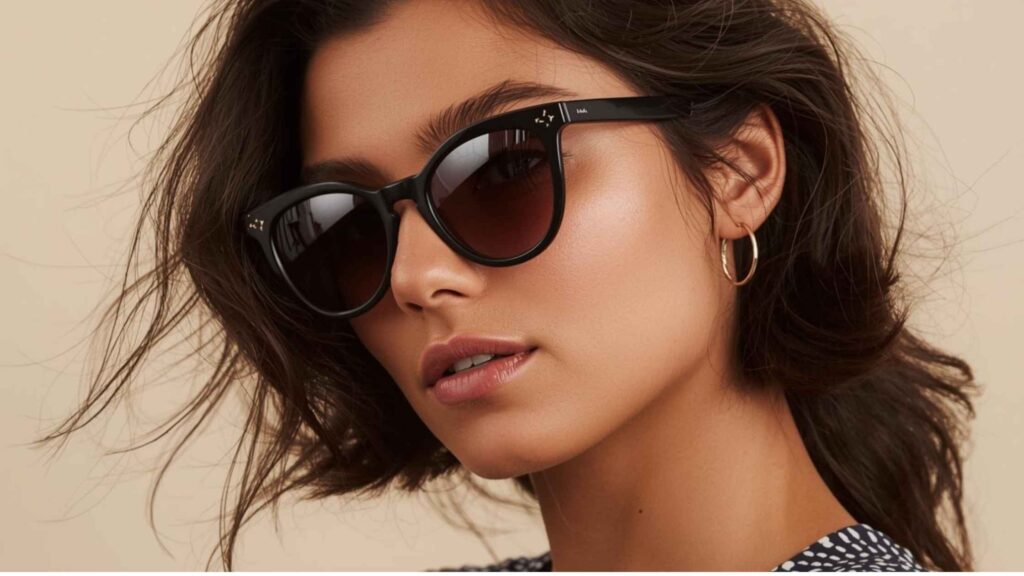
Tom Ford delivers bold, confident, sensual silhouettes that maximize impact and presence. Expect exaggerated cat-eyes with dramatic wings, oversized squares that dominate faces, and proportions designed for photographic clarity and real-world command. The frames embrace curves, rich acetate colors, and gold hardware that signals luxury immediately. Tom Ford’s design language speaks maximalist glamour—more is more when executed with impeccable taste.
Signature elements include the T-bar temple detail that functions as instant brand recognition, substantial frame thickness that creates sculptural presence, and proportions that favor dramatic over subtle. The color palette leans rich and saturated—deep tortoiseshells, jewel-toned acetates, classic black with luxe finishing. Every design choice prioritizes immediate visual impact.
Prada pursues conceptual, fashion-forward, architectural forms that reward examination. Frames feature unexpected material combinations, asymmetric details, and silhouettes that reference art and architecture as often as fashion history. Prada might combine matte acetate with polished metal, create frames with deliberately unusual proportions, or introduce shapes that don’t fit conventional eyewear categories.
The design approach leans experimental and intellectual. Prada frames often include subtle details that reveal themselves gradually—hidden hinges, unexpected color transitions in layered acetate, or architectural elements that reference specific design movements. The aesthetic favors interesting over immediately beautiful, thought-provoking over universally flattering.
Where Tom Ford uses gold hardware as luxury signaling, Prada might use industrial metals or eliminate hardware entirely for cleaner lines. Where Tom Ford emphasizes curves and sensuality, Prada explores angles and structure. These aesthetic differences reflect each brand’s core philosophy—Tom Ford celebrates glamorous excess while Prada pursues design innovation.
Craftsmanship & Materials
Both brands maintain exceptional production quality through Italian manufacturing partnerships and rigorous quality control. Neither compromises on construction standards—hinges operate smoothly, acetate finishing shows no rough edges, and lenses meet premium optical standards. At this luxury tier, craftsmanship differences become subtle rather than obvious.
Tom Ford utilizes premium Japanese and Italian acetate with particular emphasis on rich color depth and luxurious finishing. The acetate feels substantial, colors appear saturated and dimensional, and polishing creates mirror-smooth surfaces. Metal components—particularly the signature T-bar temples—receive jewelry-grade finishing with consistent plating and precise mechanical operation.
Prada sources equally premium materials but often experiments with unexpected combinations. Alongside traditional acetate and metal, Prada incorporates technical materials, mixed textures, and innovative constructions that serve design concepts rather than following conventional luxury playbooks. The craftsmanship supports innovation—creating unusual forms requires technical expertise beyond traditional eyewear production.
Finishing standards differ slightly in philosophy. Tom Ford pursues perfect polish—flawless surfaces, pristine hardware, luxury you can feel immediately. Prada sometimes incorporates intentional texture, matte finishes, or details that feel more designed than decorated. Both approaches demonstrate quality, just directed toward different aesthetic goals.
Durability proves comparable across brands when frames receive appropriate care. Quality acetate from either brand resists warping and discoloration, hinges maintain integrity through regular use, and construction withstands daily wear. The deciding factor becomes styling preferences rather than longevity concerns.
Fit & Comfort
Everyday wearability favors different face shapes and wearing preferences between brands. Tom Ford’s bolder proportions work best for medium to larger faces with strong features that can support dramatic eyewear. The substantial frames create presence but require faces that won’t be overwhelmed by maximum proportions. Smaller faces may find Tom Ford’s signature styles too dominating, though the brand offers some refined options.
Prada’s more varied silhouettes—from architectural minimalism to experimental forms—provide options across face shapes. The brand’s willingness to explore unusual proportions means some styles work specifically for faces that struggle with conventional eyewear. However, experimental designs sometimes prioritize concept over universal comfort, requiring trying before buying.
Frame balance affects all-day comfort significantly. Tom Ford’s heavier constructions—thick acetate, substantial hardware—create noticeable weight that some find grounding and luxurious while others find tiring during extended wear. Proper weight distribution through quality engineering makes them comfortable for most, but they’ll never feel featherlight.
Prada frames vary more widely in weight and balance depending on specific design. Minimal styles feel notably lighter than Tom Ford equivalents, while architectural pieces may equal or exceed Tom Ford’s heft. The inconsistency reflects Prada’s design-first approach versus Tom Ford’s more standardized luxury execution.
Face-shape compatibility follows traditional rules more closely with Tom Ford—choose silhouettes that balance your facial structure through conventional flattery. Prada’s experimental nature sometimes transcends traditional face-shape guidance, creating frames that work through confidence and styling rather than textbook proportion rules.
Style Positioning & Audience
Tom Ford attracts consumers seeking glamorous luxury, confident presence, and accessories that signal success. The typical Tom Ford eyewear customer values polished appearance, appreciates traditional luxury markers, and feels comfortable with accessories that draw attention. This audience spans Hollywood celebrities, business executives, luxury consumers, and anyone whose lifestyle rewards commanding presence.
The frames work beautifully for power dressing, evening glamour, vacation luxury, and daily wear for those comfortable being noticed. Tom Ford suits personalities that lean extroverted, confident, and at ease with obvious luxury. If you build wardrobes around statement pieces and view accessories as opportunities for impact, Tom Ford aligns naturally.
Prada appeals to fashion-forward thinkers, creative professionals, and intellectual consumers who view eyewear as design objects. The typical Prada customer follows fashion closely, appreciates experimental design, and prefers interesting over merely beautiful. This audience includes fashion industry insiders, architects, artists, design professionals, and culturally engaged consumers who value innovation.
The frames excel in creative environments, fashion-conscious contexts, and situations where design literacy carries social currency. Prada suits personalities that lean curious, experimental, and more interested in standing out through taste than obvious wealth. If you view fashion as conversation and appreciate when accessories spark discussions about design, Prada resonates.
Lifestyle alignment matters significantly. Tom Ford fits luxury-focused lifestyles—fine dining, upscale travel, professional success, social occasions where polished glamour is expected. Prada aligns with culturally engaged lifestyles—gallery openings, fashion events, creative workplaces, urban environments where experimental style is common rather than exceptional.
Tom Ford vs Prada — Price & Value
Pricing tiers overlap significantly, with both brands occupying premium luxury eyewear positioning. Tom Ford sunglasses typically range $400-$600, with special editions and heavily embellished styles reaching higher. Prada prices similarly span $350-$550, with experimental designs and collaborative pieces commanding premiums. Neither brand offers budget options—both maintain luxury pricing consistently.
Perceived luxury value differs in what you’re paying for. Tom Ford pricing reflects obvious luxury—immediately recognizable design, celebrity associations, glamorous brand positioning, and frames that broadcast wealth clearly. You’re investing in status signaling alongside quality.
Prada pricing emphasizes design innovation and fashion credibility. You’re paying for experimental design, fashion-forward thinking, and frames that communicate cultural engagement rather than just financial success. The value proposition appeals to different priorities—prestige versus innovation.
Longevity versus fashion cycles creates another distinction. Tom Ford’s classic glamour ages well—styles from years ago still read current because the aesthetic pursues perfected archetypes rather than trend-chasing. This timelessness improves cost-per-wear calculations for buyers seeking investment pieces.
Prada’s fashion-forward designs sometimes feel more tied to specific trend moments. What reads cutting-edge today might appear dated faster than Tom Ford‘s refined classics. However, Prada’s true avant-garde pieces can transcend trends entirely through design strength—becoming collectible rather than merely current.
Resale value slightly favors Tom Ford due to broader recognition and timeless appeal. The secondary market for both brands remains strong, but Tom Ford’s mainstream luxury positioning creates more consistent demand across styles.
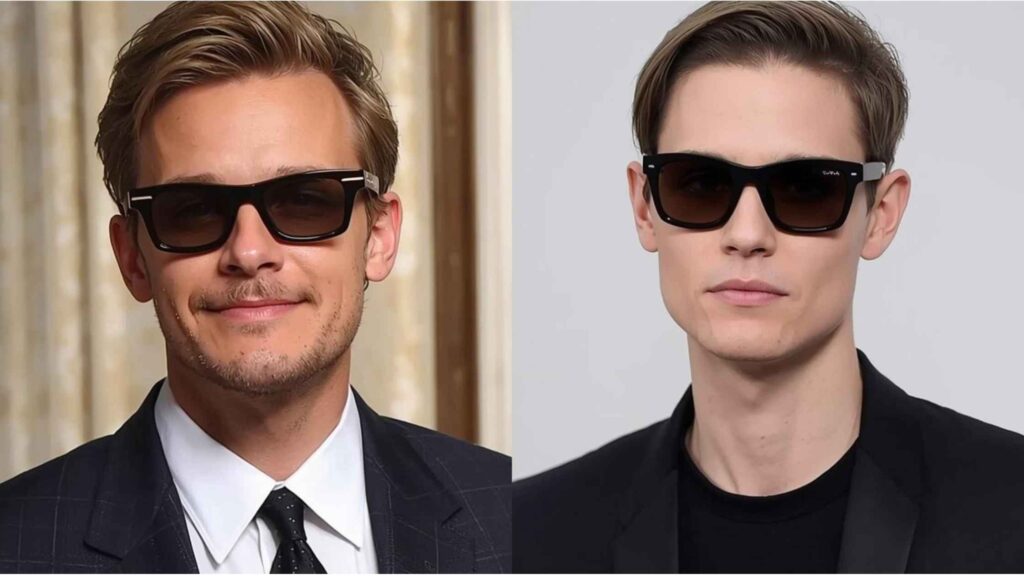
Best Tom Ford Sunglasses vs Best Prada Sunglasses
Iconic Tom Ford Frames
The Tom Ford Whitney represents the brand’s oversized glamour perfected—massive butterfly frames with gradient lenses and signature T-bar temples. These exemplify Tom Ford’s maximalist approach: bold proportions, rich acetate, immediate impact. Perfect for vacation glamour and making entrances.
Tom Ford Anoushka delivers classic cat-eye drama through contemporary execution. Exaggerated wings, substantial construction, and luxurious finishing create frames that channel Old Hollywood while remaining firmly current. Ideal for those seeking vintage glamour with modern polish.
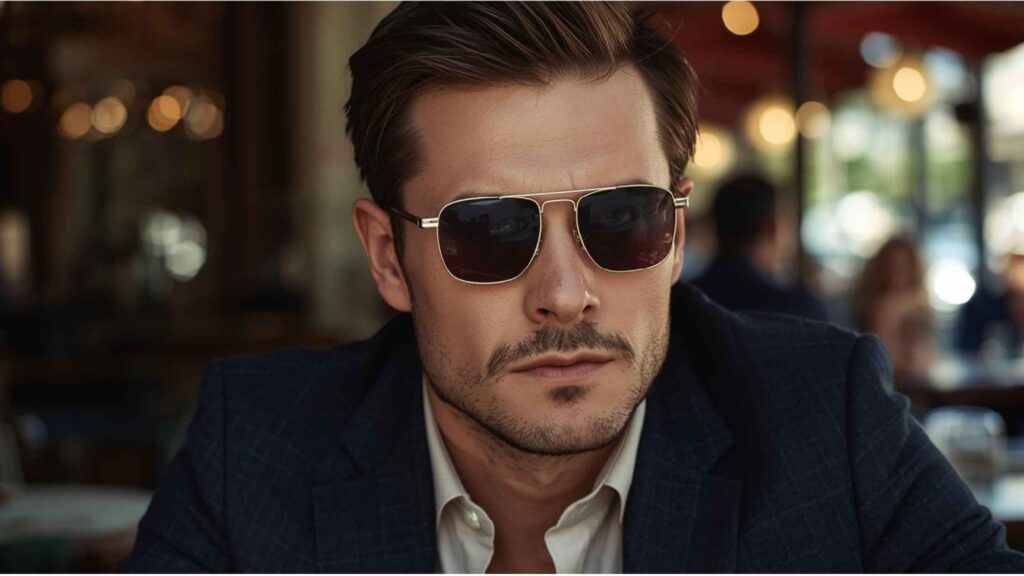
Tom Ford Marko aviators reinterpret the classic silhouette through luxury lens. Larger proportions, premium materials, and refined detailing elevate the familiar shape into statement territory. These work for casual luxury and everyday wear that maintains presence.
Iconic Prada Frames
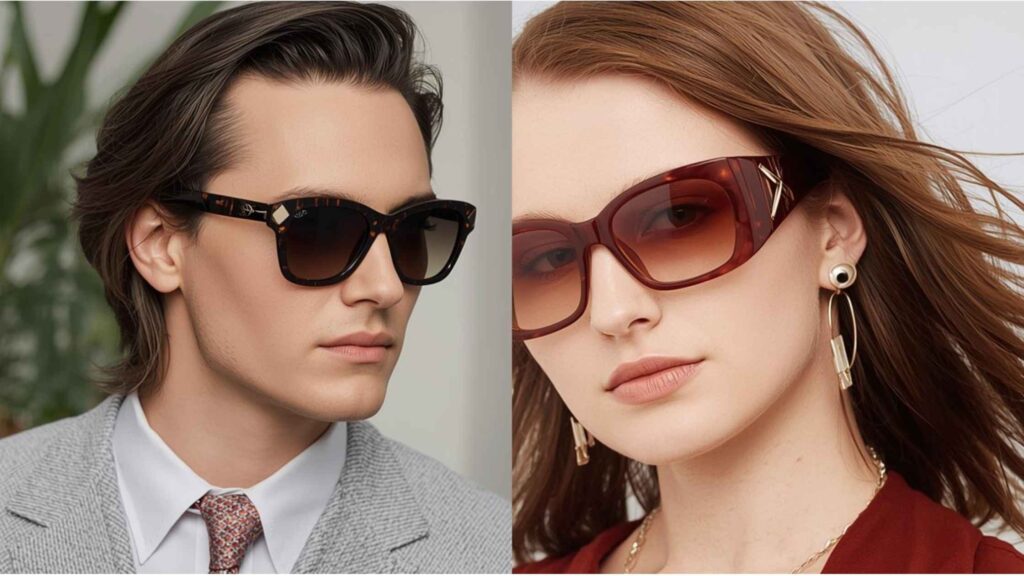
Prada Linea Rossa represents the brand’s technical innovation—sleek sports-inspired designs with contemporary materials and architectural forms. These frames showcase Prada’s ability to make functional eyewear fashion-forward, appealing to active lifestyles without sacrificing style.
Prada Cinéma frames exemplify conceptual luxury—distinctive silhouettes with unexpected details and intellectual design references. Often featuring unique shapes or material combinations, these pieces reward close examination and appeal to fashion insiders seeking conversation-starting eyewear.
Prada Minimal Baroque bridges the brand’s experimental edge with wearable sophistication. Clean lines with subtle design details create frames that work daily while maintaining Prada’s fashion-forward identity. Perfect for professionals seeking quiet innovation.
Which Is Better — Prada or Tom Ford Sunglasses?
Which is better Prada or Tom Ford sunglasses depends entirely on personal style, lifestyle needs, and what you want eyewear to communicate. Neither brand is objectively superior—they excel in different areas for different consumers.
For bold luxury and glamorous presence, Tom Ford wins decisively. If you want frames that command attention, signal success, and deliver Hollywood glamour, Tom Ford’s design philosophy aligns perfectly. Choose Tom Ford when building power wardrobes, attending high-profile events, or seeking eyewear that makes strong first impressions. The frames work beautifully for confident personalities comfortable with attention and luxury consumers who appreciate traditional prestige markers.
For fashion-forward minimalism and intellectual design, Prada dominates. If you value experimental forms, appreciate conceptual fashion, and prefer interesting over merely beautiful, Prada’s innovative approach delivers. Choose Prada when working in creative fields, following fashion closely, or seeking eyewear that sparks design conversations rather than simply broadcasting wealth. The frames suit curious personalities and culturally engaged consumers.
For daily wear and maximum versatility, evaluate specific styles rather than brands. Tom Ford’s refined classics like the Marko or more understated cat-eyes work across contexts beautifully. Prada’s Minimal Baroque and cleaner designs similarly transition seamlessly from casual to professional. Both brands offer everyday options—the question becomes whether you prefer Tom Ford’s polished glamour or Prada’s quiet innovation in your constant rotation.
For statement looks and special occasions, Tom Ford’s dramatic proportions and obvious luxury slightly edge Prada. When you need eyewear for weddings, galas, vacation glamour, or any context where making memorable impressions matters, Tom Ford’s maximalist approach delivers more immediate impact. Prada works wonderfully for fashion events and creative gatherings but reads more interesting than spectacular.
For professional environments, choose based on industry culture. Traditional corporate or conservative fields favor Tom Ford’s refined sophistication and obvious luxury credentials. Creative industries, fashion-adjacent professions, and forward-thinking companies appreciate Prada’s innovative design and cultural engagement. Both work professionally—just for different professional cultures.
For investment value and timelessness, Tom Ford’s classic glamour provides more consistent longevity. If you want frames that remain current across years rather than seasons, Tom Ford’s perfected archetypes age more gracefully than Prada’s trend-aware designs. However, Prada’s truly avant-garde pieces can become collectible precisely because they captured specific fashion moments.
Frequently Asked Questions About Tom Ford vs Prada Sunglasses
Are Tom Ford sunglasses higher quality than Prada?
Tom Ford and Prada sunglasses offer comparable quality—both maintain exceptional Italian manufacturing standards, premium materials, and rigorous construction quality. Neither brand compromises on craftsmanship fundamentals like hinge operation, acetate finishing, or lens quality. Differences emerge in design philosophy rather than production standards. Tom Ford emphasizes luxurious finishing and perfect polish, while Prada sometimes incorporates intentional texture or experimental materials. For everyday durability and construction integrity, both brands perform equally well when properly maintained. Choose based on aesthetic preferences rather than quality concerns, as both deliver luxury-tier craftsmanship that justifies premium pricing.
Are Prada sunglasses more fashionable than Tom Ford?
Prada sunglasses are generally considered more fashion-forward and experimental, while Tom Ford leans more classically glamorous. Prada pursues cutting-edge design, architectural innovation, and conceptual approaches that appeal to fashion insiders and trend-aware consumers. Tom Ford perfects timeless silhouettes and refined glamour that transcends specific trend cycles. “More fashionable” depends on definition—if fashion means innovative and experimental, Prada wins. If fashion means polished, glamorous, and universally sophisticated, Tom Ford excels. Prada suits those following runway trends closely; Tom Ford appeals to those seeking perfected luxury aesthetics that age gracefully.
Which brand is more expensive?
Tom Ford and Prada occupy similar price ranges, with both brands positioning as premium luxury eyewear. Tom Ford typically ranges $400-$600, while Prada spans $350-$550, creating significant overlap. Special editions, collaborations, and heavily detailed styles from either brand can exceed these ranges. Neither brand offers budget options—both maintain consistent luxury pricing. Perceived value differs in what you’re paying for: Tom Ford emphasizes obvious luxury and glamorous design, while Prada focuses on innovation and fashion-forward thinking. Price differences between specific styles often reflect design complexity rather than brand hierarchy.
Which brand fits better for everyday wear?
Both Tom Ford and Prada offer everyday-appropriate styles, though with different aesthetics. Tom Ford’s refined classics and moderate proportions work beautifully for daily wear when you want consistent glamour and polished presence. Prada’s cleaner, more minimal designs provide everyday sophistication with subtle innovation. For true daily versatility, examine specific styles rather than choosing by brand—both offer wearable options alongside more dramatic statement pieces. Tom Ford suits everyday luxury and confident presence, while Prada works for understated fashion-forward daily wear. Consider your lifestyle, professional environment, and comfort with attention when choosing everyday frames.
Which luxury eyewear brand lasts longer?
Tom Ford and Prada demonstrate comparable physical longevity when frames receive appropriate care and maintenance. Both use quality materials that resist warping, discoloration, and structural degradation through regular use. The durability question is less about physical lifespan and more about aesthetic longevity. Tom Ford’s classic glamour tends to remain current longer—styles feel timeless rather than trend-specific. Prada’s fashion-forward designs sometimes feel more connected to specific trend moments, potentially appearing dated faster. However, truly avant-garde Prada pieces can transcend trends entirely. For maximum style longevity, Tom Ford’s perfected classics edge Prada’s experimental designs.
Final Verdict
The Tom Ford vs Prada sunglasses debate resolves not through declaring a winner but through understanding which brand serves your specific needs, style, and values. Tom Ford delivers when you want glamorous luxury, confident presence, and frames that signal success clearly. The brand perfects timeless silhouettes, embraces bold proportions, and creates eyewear that makes you feel powerful and polished.
Prada excels when you prioritize fashion-forward design, experimental innovation, and frames that communicate cultural engagement over obvious wealth. The brand pushes boundaries, rewards close examination, and creates eyewear that makes you feel interesting and design-literate.
Both brands deliver exceptional quality, Italian craftsmanship, and luxury credentials that justify premium pricing. Neither disappoints on construction, materials, or attention to detail. The choice comes down to aesthetic philosophy and personal identity—do you see yourself as glamorous or avant-garde, classically luxurious or intellectually fashionable, commanding attention through obvious prestige or through design sophistication?
Choose Tom Ford if you want eyewear that works immediately, impresses universally, and delivers consistent glamour across contexts. Choose Prada if you want eyewear that challenges conventions, sparks design conversations, and reflects fashion-forward thinking. Or recognize that both brands deserve space in complete eyewear wardrobes—Tom Ford for glamorous occasions and confident daily wear, Prada for creative contexts and fashion-forward moments.
The winner isn’t Tom Ford or Prada—it’s you, equipped to choose frames that genuinely reflect who you are and how you move through the world.










 Face
Face BB & CC Cream
 Concealer
 Correcter
 Foundation
 Powder
 Primer
 Cheek
Cheek Blush & Highlighters
 Bronzers
 Cheek Pallettes
 Eyes
Eyes Mascara
 Eyeliner
 Eyeshadow
 Eye Sets
 Eyebrow
 Eye Palettes
 Lips
Lips Lip Balm & Treatment
 Lip Gloss
 Lipliner
 Lips Sets
 Lipstick
 Primer Lip Gloss
 Primer Lipstick
 Makeup Brushes & Accessories
 Brush
Brush Makeup Mirrors
 Nails
Nails Nail Polish
 Nail Polish Remover
 Nail Tools & Accessories
 Nail Treatment
 Body Lotions & Body Oils
 Cleansers & Toners
 Eye care
 Face Care
 Hand & Foot Care
 Lip Balms & Treatments
 Makeup Removers
 Masks & Scrubs
 Sun Care

 Hair Colors
 Hair Styling & Treatments
 Hair Dryers
 Personal Scales
 Perfume Coffrets
 Perfume Testers
 All Eyewear
 Unisex
 Optical
 Contact Lenses
 Home Fixtures
 Dining & Bar
 Cooking & Baking