


Latest posts
Top 20 Luxury eyewear brands Compared for 2026

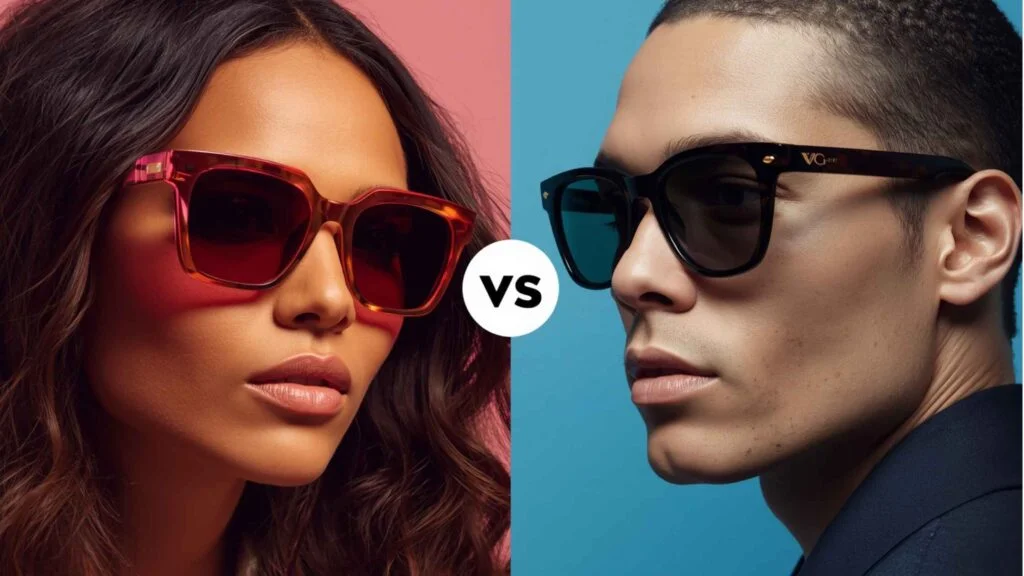
The luxury eyewear market in 2026 is more sophisticated, more varied, and more genuinely interesting than it has ever been. Twenty houses. Twenty completely different answers to the question of what a premium frame should be, should communicate, and should deliver to the person wearing it. From the 175-year institutional authority of Cartier to the fourteen-month-old cultural phenomenon of a JMM limited edition drop, from the cinematic boldness of Tom Ford to the California warmth of Oliver Peoples, from the accessible artisanship of Ray-Ban to the ultra-craft territory of Chrome Hearts — the luxury eyewear brands guide that follows maps the entire landscape with the expert authority that a decision of this scale deserves.
This is not a simple ranking. Ranking twenty genuinely excellent houses against each other on a single scale produces a result that serves nobody — because the person whose ideal frame is a pair of Cartier C Décor Buffs and the person whose ideal frame is a pair of JMM Desolation crystal acetates are not shopping the same question, even at the same price point. The best designer sunglasses 2026 are the ones that fit the specific buyer most completely — and this guide is designed to help every buyer in the market identify, with genuine confidence, which house that is.
Each brand receives an honest assessment across design philosophy, signature aesthetic, key strengths, ideal buyer profile, and price positioning. Read it as a navigation tool — starting with the houses that already interest you, moving outward toward the adjacent aesthetic territories that might serve you even better.
Table of Contents
How to Use This Guide?
The twenty houses in this designer brand comparison are organized into four tiers that reflect genuine market positioning rather than subjective quality ranking:
Ultra-Luxury — brands where the investment begins at $700 and extends well beyond, where production limitation is genuine, and where the object’s cultural authority is documented across decades or generations.
Investment Luxury — brands where the investment typically sits between $400 and $900, where material quality and design integrity are consistently premium, and where the purchase represents a considered long-term commitment.
Accessible Luxury — brands where the investment ranges from $250 to $600, where design quality is genuinely good and brand heritage is real, and where the purchase represents excellent value within the premium market.
Premium Accessible — brands where the investment ranges from $150 to $400, where design intelligence and construction quality exceed the price point, and where the purchase represents the most defensible value proposition in the broader eyewear market.
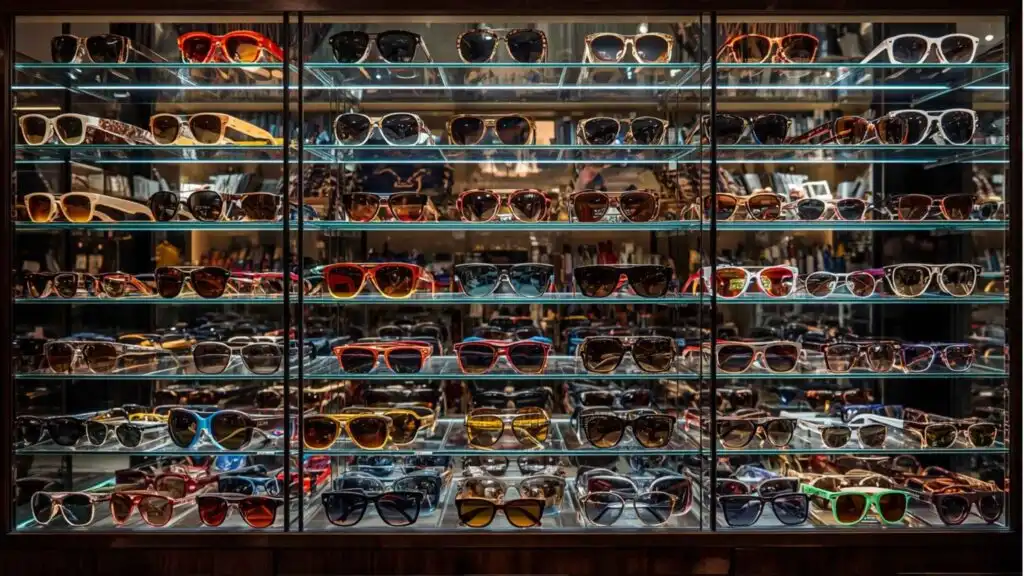
Tier One: Ultra-Luxury
1. Cartier
Design Philosophy: Jewelry first, eyewear second. Every frame is built on the foundation of 175 years of precious object making — gold-plated metals, the C Décor motif as structural architecture, and the specific warmth of precious material aesthetics that no other eyewear brand fully replicates.
Signature Aesthetic: The interlocking C hardware at bridge and temples, 18–24K gold plating, the specific register of jewelry holding lenses rather than luxury accessories. The C Décor Buffs have achieved secondary market status and cultural presence that transcends conventional luxury eyewear discussion.
Key Strengths: The most universally recognized ultra-luxury eyewear brand on earth. Strongest secondary market performance of any brand in this guide. Precious material aesthetics unavailable elsewhere. 175-year institutional authority.
Honest Limitation: Gold plating requires maintenance over time — high-friction contact points show wear and benefit from Cartier’s replating service. Investment entry point is the highest in this guide.
Ideal Buyer: Someone for whom prestige is a genuine luxury value — who understands institutional authority as real evidence of quality, who wants precious material aesthetics rather than engineered performance, and who values the strongest global brand recognition available in eyewear.
2. Jacques Marie Mage
Design Philosophy: Eyewear as cultural artifact. Every collection is built around a specific cultural world — researched with scholarly depth, translated into design with genuine fidelity, produced in numbered limited editions that transform frames into genuine collectibles.
Signature Aesthetic: Custom Mazzucchelli crystal acetate in exclusive colorways, numbered edition production, Fukui Prefecture hand-finishing, and the specific narrative depth that makes JMM discussions as much about cultural reference as about material quality.
Key Strengths: Most intellectually rigorous design philosophy in the market. Crystal acetate constructions with genuinely unique light-interaction properties. Strongest appreciation potential in secondary market among collector community. Cultural depth that no competitor replicates.
Honest Limitation: Brand recognition is deliberately limited — JMM frames communicate to those who know and pass invisibly for those who don’t. Not for buyers who want broad luxury legibility.
Ideal Buyer: The connoisseur who has moved through conventional luxury eyewear and found it insufficient in depth — who approaches accessories with collector discipline and wants cultural narrative as primary design content.
3. Chrome Hearts
Design Philosophy: Authentic American craft as luxury foundation. Sterling silver hardware worked by hand in the brand’s own Los Angeles workshop, producing objects whose quality is visible in the specific evidence of skilled making rather than hidden behind industrial perfection.
Signature Aesthetic: Sterling silver crosses, fleurs-de-lis, daggers, and CH Plus logos as structural hardware rather than decorative application. Leather and exotic skin temple treatments. The specific visual world of rock music, American motorcycle culture, and Los Angeles subcultural luxury.
Key Strengths: Most genuinely handcrafted hardware in the comparison — verifiable sterling silver worked in proprietary workshop. Subcultural authenticity that institutional brands cannot manufacture. Strong secondary market within specific cultural community.
Honest Limitation: Cultural specificity is its strength and its limitation simultaneously — the aesthetic world Chrome Hearts inhabits is specific enough that buyers outside it may find the design language less immediately compelling.
Ideal Buyer: Someone who genuinely inhabits the intersection of rock, luxury, and American craft culture — who values authentic silversmithing over institutional prestige and wants their luxury to carry subcultural credibility alongside material excellence.
Tier Two: Investment Luxury
4. Dita
Design Philosophy: Engineering as integrity. The conviction that the quality of making — evaluated with complete honesty — is the most defensible basis for luxury pricing. Aerospace-grade titanium, seven-barrel Japanese hinges, multi-step hand-finishing in Fukui Prefecture.
Signature Aesthetic: Restrained geometric precision, dual-bridge constructions, titanium surfaces finished with specific depth and sheen that distinguishes Dita from visual imitations. Minimal branding — the house mark communicates through craft rather than logo.
Key Strengths: Most advanced material specifications in the investment luxury tier. Grade-5 aerospace titanium throughout. Seven-barrel Japanese hinge construction that maintains precision through years of daily wear. Design longevity that outlasts trend cycles.
Honest Limitation: Brand recognition is limited to those who understand eyewear at a technical level — Dita doesn’t carry the social legibility of fashion house brands at comparable price points.
Ideal Buyer: The technically informed buyer who evaluates luxury by manufacturing quality rather than brand prestige — who wants to know that the premium price reflects actual craft excellence and who has the knowledge to recognize that excellence directly.
5. Oliver Peoples
Design Philosophy: California minimalism as luxury language. Nearly four decades of vintage-informed silhouette development, proprietary Mazzucchelli acetate colorways calibrated for California light, and the conviction that the best frame reveals rather than projects — making the wearer look more completely like themselves.
Signature Aesthetic: The Gregory Peck round, the Sheldrake rectangle, the O’Malley with keyhole bridge — silhouettes developed from mid-century optical archives and refined through iteration into proportions whose rightness feels inevitable. Cocobolo, Dusty Black, and the brand’s signature tortoiseshells in light-responsive acetate.
Key Strengths: Most developed proprietary acetate colorway program in the comparison — color depth and warmth that photographs consistently fail to capture. Strongest cross-context wardrobe versatility. Hollywood creative establishment cultural positioning. Design longevity proven across decades of continuous production.
Honest Limitation: Brand recognition is deliberately understated — OP communicates to eyewear connoisseurs and passes invisibly for buyers who need broad luxury legibility. Not the choice for buyers who want visible brand authority.
Ideal Buyer: The creative professional who dresses with effortless quality — whose sophistication doesn’t need announcement and whose frame choice reflects genuine design research rather than brand preference.
6. Loewe
Design Philosophy: Fashion objects as genuine sculpture. Jonathan Anderson’s ongoing artistic research — rooted in the Loewe Foundation’s craft heritage and his personal engagement with ceramics, architecture, and contemporary art — applied to eyewear with the intellectual rigour of a gallery practice.
Signature Aesthetic: The inflated acetate series (frames that appear pneumatically expanded, referencing thrown pottery and blown glass), architectural angular constructions referencing Spanish rationalist design, and the brand’s specific Mediterranean warmth expressed through custom material development.
Key Strengths: Most genuinely original design language in the investment luxury tier — the inflated frame series has no direct competitor anywhere in the market. Custom acetate formulations developed specifically for sculptural constructions. Jonathan Anderson’s critical standing at the absolute peak of contemporary fashion.
Honest Limitation: The most architecturally ambitious pieces require specific confidence and specific wardrobe context to wear at full effectiveness. Not universally flattering across face shapes.
Ideal Buyer: The artistically engaged buyer who wants their luxury to ask something of them — who finds genuine design originality more compelling than heritage prestige or material perfection.
7. Balenciaga
Design Philosophy: Deconstruction as design intelligence. Demna’s ongoing examination of fashion’s conventions — luxury versus streetwear, function versus statement, industrial versus precious — applied to eyewear through architectural extremism and the specific irony of a Parisian couture house producing shield frames that reference safety equipment.
Signature Aesthetic: BB0011S shield construction, oversized rectangles pushed to architectural limits, goggle-adjacent forms, and the BB logo deployed as conceptual design element rather than conventional brand mark. The specific tension between couture quality and streetwear vocabulary.
Key Strengths: Strongest fashion-intellectual cultural currency in the streetwear-luxury conversation. Design originality that generates genuine cultural discussion. Kering group manufacturing quality. The most critically engaged creative direction in contemporary luxury fashion.
Honest Limitation: The most architecturally ambitious pieces are stronger as statement frames than as daily drivers. Design polarization is deliberate — not all buyers will find the aesthetic compelling, which is intentional.
Ideal Buyer: The fashion-intelligent buyer who engages with design as intellectual territory — who finds Demna’s deconstruction genuinely more interesting than heritage prestige or decorative beauty.
8. Dior
Design Philosophy: Couture elegance as transformation. The Paris fashion house that launched with the 1947 New Look — a silhouette so deliberately feminine it changed Western fashion — carries that transformative ambition into eyewear through fashion-responsive design and the couture tradition’s specific combination of romantic beauty and architectural precision.
Signature Aesthetic: DiorSignature script across the lens bridge as structural design element, DiorClub sport constructions, fashion-forward gradient lenses and seasonal colorways that track the couture collection’s direction directly. CD hardware as architectural integration.
Key Strengths: Most fashion-responsive design direction in the comparison — collections track runway aesthetic with genuine fidelity. Strong brand recognition globally. Gradient and specialty lens treatments among the most visually refined in fashion house eyewear.
Honest Limitation: Material specifications are appropriate to fashion house accessible luxury rather than exceptional relative to comparable price points. Seasonal design direction means some pieces date more quickly than architecturally grounded designs.
Ideal Buyer: The buyer genuinely engaged with fashion as a seasonal creative conversation — who wants their eyewear to participate in that conversation with couture house authority and finds the runway-to-accessory translation intellectually satisfying.
9. Fendi
Design Philosophy: Roman craft warmth meets design boldness. The house built on a 1925 leather goods atelier carries Karl Lagerfeld’s 54-year graphic intelligence — the double-F logo as pattern rather than brand mark — into eyewear with the specific material warmth of Italian artisan tradition and the geometric ambition of a house comfortable with visual complexity.
Signature Aesthetic: FF logo acetate constructions where pattern is structural material, Baguette eyewear referencing the house’s most culturally significant product, Fendi First frames with the eye-shaped clasp hardware, geometric hexagonal and octagonal constructions referencing Roman architectural confidence.
Key Strengths: The FF logo’s cultural authority as one of fashion’s most successfully deployed brand codes. Genuine geometric design ambition beyond conventional fashion house eyewear. Baguette heritage connection provides emotional resonance unavailable elsewhere. Strong women’s collection among the most expressive in the comparison.
Honest Limitation: Bold design language requires wardrobe context — the most overtly branded and geometric pieces need outfits strong enough to support their visual weight. Not the choice for buyers seeking restraint.
Ideal Buyer: The fashion-forward woman who dresses with Roman material warmth and graphic confidence — who wants her eyewear to make a bold, culturally specific statement with genuine design intelligence behind it.
10. Gucci
Design Philosophy: Italian cultural abundance as design resource. A century of design accumulation — equestrian heritage, double-G hardware, the web stripe, the romantic maximalism of multiple creative chapters — deployed with the warmth and confidence of a house that has shaped global fashion conversation across multiple generations.
Signature Aesthetic: Double-G hardware at temple and hinge, web stripe detailing in the equestrian color palette, rich tortoiseshell and warm neutral acetate, dramatic cat-eyes and oversized constructions for women, geometric squares and refined ovals for men. The warmth of Italian design heritage at full expression.
Key Strengths: Broadest design range of any house in this comparison — from restrained metal ovals to maximalist logo acetate, serving the widest range of aesthetic preferences within a single brand. Strongest global brand recognition in the accessible luxury tier. Consistent Italian manufacturing quality. Strong secondary market performance.
Honest Limitation: The double-G logo’s universal recognition is simultaneously the brand’s greatest strength and its most common criticism — buyers seeking discreet luxury will find the brand’s most iconic pieces more legible than they want.
Ideal Buyer: The buyer who wants warmth, expressive design confidence, Italian heritage richness, and the most globally recognized luxury brand signal available at the accessible luxury price point.
11. Saint Laurent
Design Philosophy: Parisian geometric authority as feminine power. The house that understood that removing decoration from a woman’s wardrobe gives her the same visual authority that color has always denied her carries that conviction into eyewear through sharp corners, flat brow lines, and the specific power of black deployed as a philosophical position rather than a color choice.
Signature Aesthetic: The SL 471 square in solid black acetate — sharp corners, flat brow, minimal temple branding integrated architecturally. Clean metal constructions in the SL 278 aviator series. The conviction that the right angle communicates more than any amount of decoration.
Key Strengths: Most architecturally precise design language in the accessible luxury tier. Strongest cross-context professional authority. Design longevity proven across multiple creative chapters — the geometric vocabulary is timeless rather than seasonal. Strong brand recognition globally.
Honest Limitation: Design range is narrower than broader-catalog houses — the brand’s commitment to geometric restraint means less variety for buyers who want expressive colorway or silhouette range.
Ideal Buyer: The buyer for whom authority is the primary feminine luxury value — who dresses with settled precision, wants their frame to make a clear design decision, and finds the Parisian geometric tradition the most compelling expression of luxury available.
12. Tom Ford
Design Philosophy: Cinematic glamour as design standard. The creative director who redefined Gucci’s visual language for a generation brings the same precision, the same deliberate boldness, and the same conviction that luxury should feel like the most powerful version of a specific fantasy to every frame in the TF collection.
Signature Aesthetic: T-bar logo hardware at the temples as structural identity element, dramatic cat-eyes and oversized constructions for women, geometric squares with controlled masculine authority for men. The TF0237 inlaid brow square as the brand’s most signature masculine construction.
Key Strengths: Strong design range across both genders with equal creative commitment. Cinematic visual language that photographs powerfully and registers immediately. Reliable construction quality across the collection. Strong global brand recognition.
Honest Limitation: The T-bar logo’s prominence means the brand communicates loudly — not the choice for buyers who want their luxury to be discoverable rather than immediately legible.
Ideal Buyer: The buyer for whom bold visual impact and cinematic self-presentation are primary values — who dresses with the deliberate confidence that TF’s design language requires and rewards.
Tier Three: Accessible Luxury
13. Versace
Design Philosophy: Mythological abundance as design language. The Milan house founded in 1978 draws from Greek and Roman mythology — the Medusa, the Greek key pattern, the baroque decorative tradition — with the conviction that fashion’s highest calling is the celebration of life’s most sensory and historically resonant pleasures.
Signature Aesthetic: Medusa hardware at the temples as the brand’s most powerful visual symbol, Greek key pattern detailing, generous gold hardware, and the operatic scale that reflects the brand’s southern Italian design heritage.
Key Strengths: Most distinctive hardware design in the accessible luxury tier — the Medusa is genuinely original and culturally specific. Strong pop culture associations across music and film. Bold design language for buyers who want mythological scale in their luxury.
Honest Limitation: The Medusa’s prominence means the brand communicates at full volume — restraint is not Versace’s design vocabulary, which suits some buyers completely and others not at all.
Ideal Buyer: The buyer who dresses with celebratory abundance and mythological confidence — who finds the operatic scale of Versace’s design language the most honest expression of their aesthetic personality.
14. Miu Miu
Design Philosophy: Intellectual playfulness as creative standard. Miuccia Prada’s creative laboratory — separate from Prada’s architectural severity — explores the productive contradiction of fashion conventions through considered awkwardness, period reference, and the knowing deployment of elements that conventional fashion would avoid.
Signature Aesthetic: Oversized cat-eyes with deliberate proportional generosity, crystal embellishments placed with design intelligence, vintage-reference butterfly shapes with contemporary material quality, and the specific brand of feminine irony that has made Miu Miu the most discussed women’s fashion brand of the current moment.
Key Strengths: Strongest creative momentum in the comparison’s women’s segment — Miu Miu’s cultural currency among fashion-forward buyers is at its highest point. Miuccia’s design intelligence produces genuine originality. Strong appeal among younger luxury buyers globally.
Honest Limitation: The most deliberately awkward proportions require specific confidence — buyers who want conventionally flattering frames may find Miu Miu’s considered imprecision less immediately satisfying.
Ideal Buyer: The fashion-intelligent woman who wants creative engagement over conventional beauty — who finds Miuccia’s intellectual playfulness the most genuine and most interesting design conversation available in women’s luxury eyewear.
Price Range: $350–$550 USD
15. Valentino
Design Philosophy: Romance as luxury power. Pierpaolo Piccioli’s creative stewardship of the house Valentino Garavani founded on the conviction that couture beauty has genuine power — emotional resonance as design standard, the Rockstud as the specific device that brings modern edge to romantic tradition.
Signature Aesthetic: Rockstud pyramid hardware at temple junctions and bridge points, rich jewel tone acetate palette including the signature PP Pink, quality metal constructions with warm hardware. The specific combination of couture elegance and contemporary edge.
Key Strengths: Most emotionally resonant design language in the comparison — the Rockstud carries genuine cultural weight as one of fashion’s most successful modern design signatures. Strong colorway development. Couture heritage emotional authority.
Honest Limitation: Rockstud recognition is high enough that buyers seeking design discretion will find the hardware more prominent than their aesthetic preferences allow.
Ideal Buyer: The buyer for whom romantic beauty is the primary luxury value — who responds emotionally to fashion objects rather than simply intellectually, and who finds the Rockstud’s combination of precious sensibility and modern edge the most compelling current expression of feminine luxury.
16. Loewe (Paula’s Ibiza)
Note: Included separately as a distinct aesthetic proposition within the Loewe universe.
Design Philosophy: Mediterranean freedom as design register. The annual collection that releases Loewe’s Spanish craft warmth from architectural restraint and allows the brand’s Balearic cultural engagement to produce eyewear of genuine joyful expression.
Signature Aesthetic: Bright acetate in electric blues, warm corals, and sea-glass greens. Natural material references — woven textures, organic tones. The specific pleasure of Ibiza’s creative community aesthetic translated into luxury eyewear.
Key Strengths: Most colorfully expressive eyewear in the Loewe universe. Natural material details that reference Balearic craft tradition. The most genuinely summer-appropriate luxury eyewear in this comparison.
Ideal Buyer: The Loewe buyer whose lifestyle includes Mediterranean summer and who wants the brand’s craft quality in its most openly celebratory expression.
17. Burberry
Design Philosophy: English heritage custodianship as design foundation. The house founded in 1856 on functional British outerwear carries the Burberry check — one of fashion’s most reproduced patterns — into eyewear as a design element that adds visual texture and brand identity while serving the design rather than dominating it.
Signature Aesthetic: Burberry check at acetate temples and hinge details, classic British colorways (British racing green, deep navy, classic camel), and the preppy-meets-sophisticated silhouette vocabulary of traditional English dressing.
Key Strengths: Genuine heritage depth — the Burberry check carries 100 years of design history. Strong global brand recognition. Classic British sensibility that travels across professional and casual contexts naturally. Accessible entry point into heritage luxury eyewear.
Honest Limitation: Design innovation is not Burberry’s primary value proposition — the brand prioritizes heritage continuity over creative exploration, which suits buyers who want classic reliability and limits those who want design freshness.
Ideal Buyer: The buyer who values heritage continuity and classic British elegance — who wants their luxury accessories to communicate established, understated confidence rather than design boldness.
18. Bottega Veneta
Design Philosophy: Logo-free luxury as design statement. The house whose founding motto — “When your own initials are enough” — established the most influential position in the current quiet luxury conversation. Craft quality communicating exclusively through design intelligence and material excellence rather than brand visibility.
Signature Aesthetic: Intrecciato-inspired detailing referencing the leather goods heritage, oversized rectangular constructions with architectural confidence, cool geometric precision in matte finishes. The absence of visible branding as the most sophisticated brand statement available.
Key Strengths: The definitive quiet luxury eyewear brand in the comparison. Strongest appeal among sophisticated buyers who have moved beyond logo recognition as a luxury metric. Daniel Lee’s creative evolution producing genuine design freshness. Strong cultural credibility among fashion insiders.
Honest Limitation: Limited social legibility — Bottega Veneta communicates exclusively to those who know. Buyers who want broad luxury recognition will find the brand’s discretion works against that goal.
Ideal Buyer: The sophisticated buyer who has moved entirely beyond logo recognition as a luxury value — whose confidence in their aesthetic choices is complete enough that being understood only by those who know is a feature rather than a limitation.
Tier Four: Premium Accessible
19. Ray-Ban
Design Philosophy: Cultural continuity as value. The brand that invented modern sunglass culture — whose 1936 Aviator and 1956 Wayfarer defined the visual grammar that the entire industry still draws from — maintains that cultural heritage with deliberate conservatism, treating the canonical frames’ design stability as a feature rather than a limitation.
Signature Aesthetic: The Aviator’s teardrop lens and thin brow bar, the Wayfarer’s trapezoidal acetate and keyhole bridge, the Clubmaster’s metal-and-plastic hybrid, the Round’s vintage optical warmth. Frames that carry eight decades of cultural history in constructions that have outlasted every trend cycle they’ve witnessed.
Key Strengths: Unmatched cultural history — the most documented and most broadly referenced eyewear heritage on earth. Universal brand recognition across every demographic and geography. The G-15 glass lens as a genuine optical achievement. The most defensible cultural value proposition at any price point.
Honest Limitation: Material quality is appropriate to mass-premium positioning rather than premium accessible luxury — the brand’s value proposition is cultural rather than craft-based, which matters for buyers who evaluate luxury purely through material specification.
Ideal Buyer: The buyer who wants cultural connection above design refinement — who understands that wearing an Aviator or Wayfarer means wearing eight decades of cultural history, and who finds that specific form of value more compelling than material depth or design exclusivity.
20. Garrett Leight
Design Philosophy: California minimalism as contemporary design standard. Venice Beach’s answer to Oliver Peoples — lighter in nostalgic reference, more contemporary in design sensibility, and built on the specific quality of California light and California living that informed Larry Leight’s founding vision at OP and that his son Garrett has translated into a distinct and genuinely excellent design language.
Signature Aesthetic: The Clune’s modified round with flat brow, the Wilson’s versatile rectangle, the Kinney’s keyhole bridge warmth, the Venice metal oval’s California lightness. Premium Italian acetate in proprietary colorways developed for the specific quality of West Coast light.
Key Strengths: Premium material quality above the price point — Mazzucchelli acetate with proprietary colorway development approaching Oliver Peoples standards. Contemporary design sensibility more current than OP’s vintage orientation. Bio-acetate and sustainable material options. Strong Venice Beach creative culture positioning.
Honest Limitation: Brand recognition is limited — Garrett Leight communicates to design connoisseurs and doesn’t carry the broader social legibility of fashion house brands at any price point.
Ideal Buyer: The design-aware buyer who wants premium California minimalism with a more contemporary sensibility than Oliver Peoples’ vintage orientation provides — who values material quality and design intelligence over brand recognition.
The Brand Matching Guide — Finding Your House
The luxury eyewear landscape in 2026 accommodates every personality, every aesthetic philosophy, and every relationship with luxury — but only if the match between buyer and brand is made with genuine understanding of what each house offers. This quick-reference framework resolves the matching question directly.
If you want the strongest cultural authority and best investment value: Cartier. No house in this comparison carries more documented luxury authority or stronger secondary market performance.
If you want the deepest craft intelligence and most collectible object: Jacques Marie Mage. No house produces frames with more cultural narrative depth or more genuine collector value.
If you want authentic American craft and subcultural credibility: Chrome Hearts. No house in this comparison produces more verifiably handcrafted hardware or more genuinely earned subcultural authority.
If you want engineering excellence and material perfection: Dita. No house at the investment luxury tier matches the aerospace-grade material specifications and Japanese manufacturing precision.
If you want California warmth and vintage design wisdom: Oliver Peoples. No house produces proprietary acetate colorways with comparable depth or silhouettes with comparable proven longevity.
If you want sculptural artistic originality: Loewe. No house in the comparison produces design as genuinely original or as intellectually grounded in craft and artistic research.
If you want Italian cultural abundance and the broadest design range: Gucci. No house at the accessible luxury tier offers comparable design breadth, global recognition, or Italian heritage warmth.
If you want Parisian geometric authority: Saint Laurent. No house executes the architectural precision of the black square frame with more design conviction or more proven cultural longevity.
If you want cinematic bold luxury: Tom Ford. No house at the comparable price point deploys bold design with more controlled cinematic precision.
If you want mythological Italian glamour: Versace. No house carries the Medusa’s specific cultural weight or the Greek key’s historical depth in comparable eyewear application.
If you want intellectual fashion playfulness: Miu Miu. No house in the women’s comparison produces more genuinely creative design intelligence or more culturally current aesthetic momentum.
If you want romantic couture beauty with modern edge: Valentino. No house deploys the Rockstud’s specific combination of precious sensibility and contemporary boldness with more creative conviction.
If you want deconstructive fashion intelligence: Balenciaga. No house in the streetwear-luxury conversation produces more architecturally original or more intellectually engaged eyewear design.
If you want couture fashion engagement: Dior. No house tracks the couture-to-accessory translation with more seasonal fidelity or more fashion-forward lens and color development.
If you want Roman material boldness and FF logo authority: Fendi. No house deploys the double-F with more geometric sophistication or produces more architecturally ambitious women’s eyewear.
If you want logo-free sophisticated luxury: Bottega Veneta. No house in the comparison offers more complete quiet luxury credibility or more sophisticated brand-less brand authority.
If you want English heritage and preppy classic elegance: Burberry. No house carries the check’s 100-year design history or the British heritage wardrobe’s specific cultural associations with more reliability.
If you want street luxury bridge-position cultural fluency: Off-White. No house has built the streetwear-luxury bridge with more philosophical coherence or more foundational cultural credibility.
If you want accessible California contemporary minimalism: Garrett Leight. No house at the premium accessible tier delivers comparable material quality with more contemporary design sensibility.
If you want the most culturally documented eyewear heritage: Ray-Ban. No house in the comparison carries eight decades of design history or more universally recognized cultural legacy.
The Complete Price and Value Matrix
| Brand | Price Range | Design Strength | Material Distinction | Cultural Legibility |
|---|---|---|---|---|
| Cartier | $800–$2,500+ | Precious heritage | Gold plating | Universal |
| JMM | $700–$1,500+ | Cultural narrative | Crystal acetate | Connoisseur |
| Chrome Hearts | $600–$2,000+ | Craft authenticity | Sterling silver | Subcultural |
| Dita | $500–$1,800 | Engineering | Aerospace titanium | Connoisseur |
| Oliver Peoples | $350–$550 | Vintage wisdom | Proprietary acetate | Creative insider |
| Loewe | $400–$750 | Sculptural originality | Custom acetate | Fashion insider |
| Balenciaga | $380–$650 | Deconstructive | Premium standard | Fashion-forward |
| Gucci | $320–$650 | Heritage breadth | Italian acetate | Universal |
| Saint Laurent | $350–$600 | Geometric authority | Premium standard | Broad luxury |
| Tom Ford | $350–$600 | Cinematic bold | Premium standard | Broad luxury |
| Fendi | $400–$700 | Geometric warmth | Italian acetate | Broad luxury |
| Valentino | $350–$600 | Romantic edge | Rockstud hardware | Broad luxury |
| Miu Miu | $350–$550 | Intellectual play | Premium standard | Fashion-forward |
| Versace | $280–$550 | Mythological bold | Medusa hardware | Broad luxury |
| Dior | $350–$650 | Couture fashion | Premium standard | Broad luxury |
| Bottega Veneta | $400–$700 | Quiet precision | Craft standard | Insider |
| Burberry | $250–$450 | Heritage classic | Standard premium | Broad |
| Garrett Leight | $300–$500 | CA contemporary | Proprietary acetate | Design-aware |
| Off-White | $320–$550 | Bridge position | Premium standard | Street-luxury |
| Ray-Ban | $180–$350 | Cultural heritage | Standard | Universal |
FAQ — Luxury Eyewear Brands Guide 2026
What are the best luxury eyewear brands for 2026?
The best designer sunglasses 2026 depend entirely on the buyer’s priorities. For ultra-luxury prestige: Cartier. For craft collectibility: JMM. For engineering quality: Dita. For California warmth: Oliver Peoples. For Italian heritage: Gucci. For Parisian authority: Saint Laurent. For artistic originality: Loewe. Each is genuinely best at what it specifically does — the question is which form of excellence matches your specific priorities.
Which luxury eyewear brand has the best resale value?
Cartier demonstrates the strongest and most geographically consistent secondary market performance — particularly the C Décor collection. JMM shows the strongest appreciation potential within the collector market. Gucci maintains reliable secondary demand across global markets due to its universal brand recognition.
How do I choose between luxury eyewear brands?
The most useful framework: identify your primary luxury value — prestige, craft, engineering, design originality, cultural authority, or fashion engagement — and match that value to the house that delivers it most completely. Then consider face shape compatibility, wardrobe context, and price positioning within that house’s specific range.
Which brands are best for men?
Best eyewear brands for men across different aesthetic territories: Dita for engineering precision, Oliver Peoples for California warmth, Saint Laurent for geometric authority, Tom Ford for cinematic boldness, Cartier for precious prestige, Chrome Hearts for subcultural craft, Gucci for Italian heritage confidence, Ray-Ban for cultural connection.
Which brands are best for women?
Best eyewear brands for men women split differently in the women’s range: Fendi for Roman material boldness, Miu Miu for intellectual playfulness, Valentino for romantic beauty, Saint Laurent for Parisian authority, Dior for couture fashion engagement, Gucci for Italian expressive warmth, Loewe for sculptural originality, Oliver Peoples for California refined minimalism.
The Landscape, Mapped
The luxury eyewear brands guide across these twenty houses produces a single overarching insight: the luxury eyewear market in 2026 has never been more genuinely varied, more philosophically interesting, or more thoroughly served across every aesthetic position a serious buyer might occupy.
From Cartier’s 175-year institutional authority to JMM’s cultural depth, from Dita’s engineering integrity to Oliver Peoples’ California warmth, from Gucci’s Italian abundance to Saint Laurent’s Parisian precision — the top eyewear brands in this comparison are not competing for the same customer. They are each serving their specific customer with complete creative commitment and genuine material investment.
The compare Cartier Dior Dita Gucci Versace Ray-Ban conversation — and the seventeen other houses alongside them — doesn’t produce a ranking. It produces a map. A map of twenty genuinely excellent design philosophies, twenty honest answers to the question of what luxury eyewear should be, and twenty specific invitations to the buyer who finds themselves reflected most completely in one of those answers.
Navigate it with intention. The house that was built for you is on this map. Find it, invest in it with confidence, and wear it with the knowledge that genuine luxury — in whatever form it takes for your specific personality and your specific aesthetic world — is always worth the finding.
Found your luxury eyewear house? Share this guide with someone beginning their own luxury eyewear journey — or explore our complete collection of brand-specific deep dives for every house covered in this ultimate comparison.









 Brush
Brush Makeup Mirrors
 Body Lotions & Body Oils

 Personal Scales
 Perfume Coffrets
 Perfume Testers
 All Eyewear
 Unisex
 Optical
 Contact Lenses
 Home Fixtures
 Dining & Bar