


Latest posts
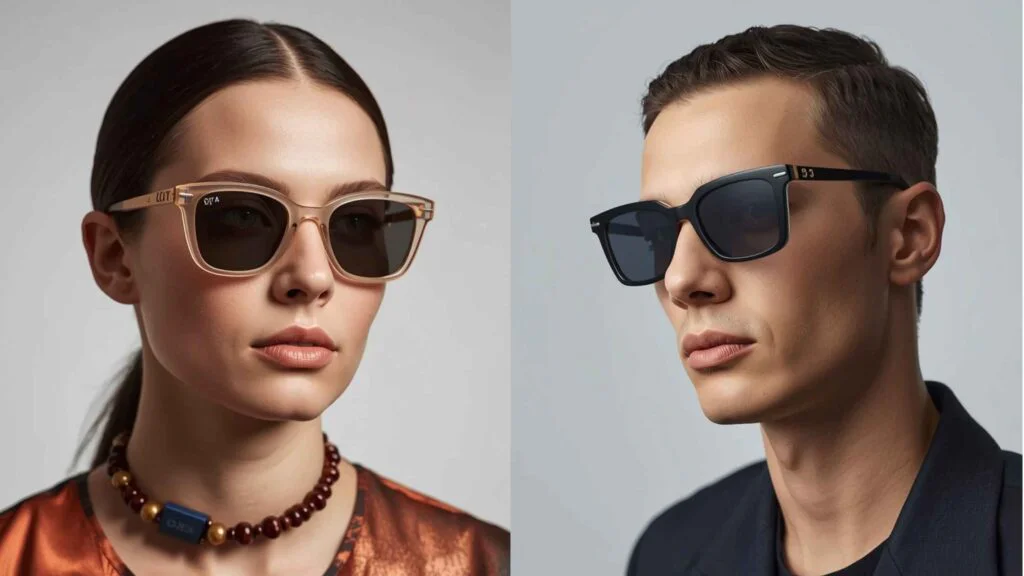
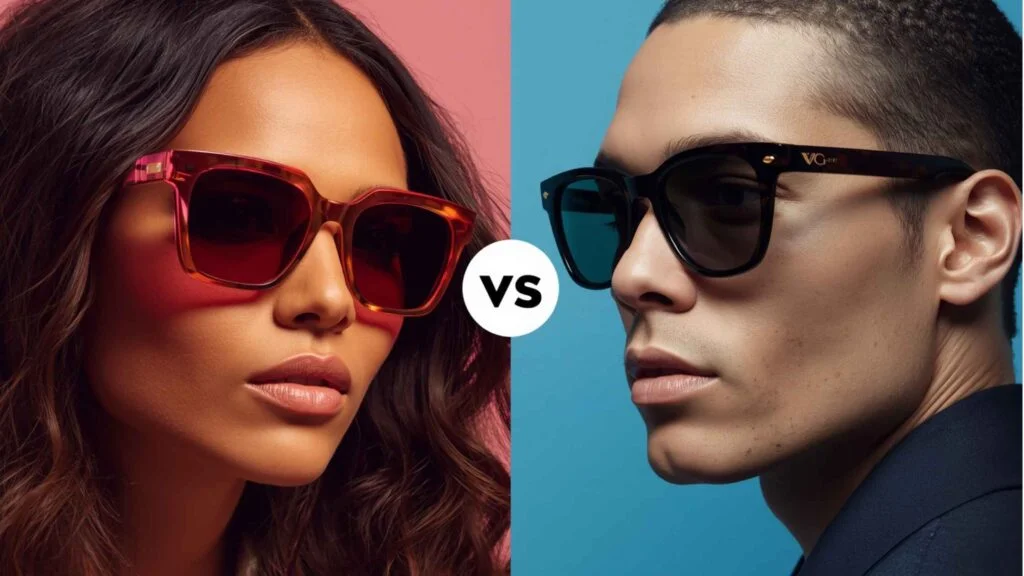
Dita vs Gentle Monster Sunglasses — Precision Meets Provocation

There’s a particular kind of paralysis that hits when you’re choosing between Dita vs Gentle Monster sunglasses. Both sit at the upper end of the market. Both attract serious attention. Both have built genuinely devoted customer bases across fashion capitals. But behind the shared price brackets and prestige positioning, these two labels represent something almost philosophically different about what eyewear is supposed to be.
Dita was built in Los Angeles in 1995 around a single obsession: making the most technically accomplished frames on the planet. Gentle Monster emerged from Seoul in 2011 with a different kind of ambition — redefining the retail experience, building cultural mythology, and turning each season into something closer to an art installation than a product drop. Comparing them means accepting that you’re evaluating two entirely different theories of value.
This breakdown strips past the marketing to examine what these brands actually deliver — on craftsmanship, design philosophy, cultural capital, and the harder question of which is actually worth your money in 2026.
Table of Contents

Dita vs Gentle Monster Sunglasses: The Fundamental Difference
The most honest framing for Dita vs Gentle Monster sunglasses is the distinction between a product company and a cultural company. Dita is, at its core, an engineering enterprise dressed in luxury clothing. Its founders came out of vintage eyewear collecting and channeled a near-obsessive attention to material quality and construction technique into a commercial brand. Gentle Monster’s founders came from a different starting point entirely — they built an experiential retail concept first, a cultural brand second, and eyewear products third.
That sounds like a knock on Gentle Monster, but it isn’t. Cultural value is real value. The question is whether it’s the kind of value you’re looking for.
Dita
- Founded 1995, Los Angeles
- Japanese artisan manufacturing
- Titanium & acetate precision
- Engineering-first identity
- $400–$1,800+ price range
- Worn by Jay-Z, Pharrell, athletes
Gentle Monster
- Founded 2011, Seoul
- K-fashion cultural positioning
- Bold silhouettes & runway shapes
- Experience-first identity
- $200–$600+ price range
- Worn by BLACKPINK, K-pop artists
Craftsmanship: Where Engineering Meets Aesthetics
Dita — Japanese artisan standards
Dita manufactures its frames in the Sabae region of Japan, a town that produces roughly 95% of Japan’s domestically made eyewear and is considered, by anyone serious about the craft, one of the most technically demanding production environments in the world. Craftspeople there train for years to develop the micro-precision required for Dita’s signature techniques — particularly their hinge construction and their multi-step acetate finishing process, which involves hand-polishing frames through several distinct stages before they reach final inspection.
The brand’s use of beta-titanium and Japanese titanium alloys goes well beyond most luxury eyewear. These materials have exceptional strength-to-weight ratios, genuine hypoallergenic properties, and a flexibility that allows frames to absorb impact without deforming. Dita’s hinge mechanisms, particularly on flagship lines like the Mach and Talon series, are designed with a precision tolerance that makes them feel categorically different to open and close compared to mass-produced alternatives. The spring mechanism has a tactile quality — a smooth, dampened resistance — that engineers at competing brands have spent years trying to replicate.
When you hold a Dita frame, the weight distribution tells the story. The balance is deliberate. Nothing shifts. The temples feel like they were made for your head specifically.
Gentle Monster — design as spectacle
Gentle Monster’s manufacturing is more distributed and less transparently documented than Dita’s, which is a meaningful difference. What the brand excels at, and genuinely leads the market on, is shape innovation and aesthetic boldness. Their design team has consistently produced silhouettes — oversized shields, architectural wrap styles, sculptural bridge constructions — that push further than most established luxury houses are willing to go. They’re not afraid of a frame that reads as costume before it reads as accessory.
The acetate quality on Gentle Monster’s mid-to-upper range is solid, genuinely Italian in many cases, and their lens options have improved substantially over the last few years. But the hinge quality and long-term durability are areas where the brand lags behind Dita noticeably. You’re buying a statement, not an heirloom.
“Dita frames age like a good watch. Gentle Monster frames age like a great photograph — they capture a moment perfectly, then become a record of it.”
Design Philosophy: Quiet Power vs Cultural Noise
Dita operates within a classic-forward aesthetic. The brand’s references — aviators, keyhole bridges, double bridges, round wire frames — draw from mid-century eyewear archetypes and update them with material precision rather than silhouette disruption. A Dita frame in 2026 looks like it could have been designed in 1968, and that’s entirely the point. The goal is timelessness through refinement. This isn’t conservative design so much as a belief that the best shapes have already been found and the real craft lies in executing them flawlessly.
Gentle Monster operates from the opposite premise. Seasonal disruption is the product. Each collection arrives as a conceptual proposal — a narrative, a visual world, sometimes a collaboration with a fashion house (their Maison Margiela and Heron Preston partnerships are notable examples), sometimes a stand-alone retail spectacle involving kinetic sculpture and robotics. The frames themselves are props in a larger story, and they’re designed to register immediately, to look new, to make the wearer legible as someone who knows what’s happening right now.
Neither approach is wrong. The Dita Mach One has been in production for years because the design is simply correct — it solves the problem of a thin-profile, lightweight titanium aviator in a way that hasn’t been meaningfully improved upon. Gentle Monster’s Heron collaboration sold out within hours because the cultural timing was perfect. Both are valid theories of design value.
Price, Value, and the Longevity Question
Breaking down what you actually pay for
Dita’s entry-level frames begin around $400–$500, with their flagship titanium models running $900 to over $1,800 for the Gran Turismo and Exhibition lines. These prices reflect genuine material costs, low production volumes, and the labor intensity of Sabae manufacturing. When Dita charges $1,200 for a frame, a significant portion of that price represents physical inputs — not just brand equity.
Gentle Monster’s range spans roughly $200 to $600+ for standard frames, with collaborative and limited-edition pieces pushing higher. Their pricing reflects strong brand positioning, distinctive design, and the cost of the experiential retail ecosystem they’ve built — the flagship stores in Seoul, Shanghai, and New York that function as art galleries first and shops second. You’re partly paying for the cultural infrastructure that makes the brand feel premium.
GENTLE MONSTER — VALUE BREAKDOWN
The longevity question is where Dita’s case becomes hardest to argue against. A well-maintained Dita frame bought today will still be structurally sound and aesthetically relevant in fifteen years. The titanium won’t fatigue, the hinges won’t loosen, and the design won’t read as dated in the way that a trend-forward Gentle Monster frame from 2021 already can. For a buyer who thinks of eyewear as an investment category — similar to the way you might think about a Rolex or a quality leather piece — Dita is the mathematically superior choice on a cost-per-wear basis.
Cultural Capital: The Hype Factor in 2026
This is where any honest comparison has to acknowledge Gentle Monster’s genuine advantage. Cultural momentum matters, and Gentle Monster has built more of it, faster, than almost any eyewear brand in the last decade. Their positioning within K-pop and K-fashion — legitimized by partnerships with BLACKPINK, consistent placement in Korean drama productions, and a retail strategy that treats shopping as performance art — has given them a level of aspirational currency that Dita, for all its quality, hasn’t matched in the under-35 demographic.
The best designer sunglasses for hype in 2026 are almost certainly Gentle Monster. If you’re buying for visibility, for the recognition that comes from wearing something that reads as culturally fluent to the people around you, Gentle Monster delivers that signal more efficiently than Dita. A Dita frame is more likely to be recognized by a watch collector or a vintage eyewear enthusiast than by someone who follows streetwear drops. Neither is inherently better — it depends entirely on the context you move through.
There’s also a genuinely interesting case to be made that engineering excellence is its own form of hype in 2026 . As the broader luxury market moves toward transparency about materials and manufacturing — as consumers increasingly want to understand what they’re paying for — Dita’s willingness to document and demonstrate its production process positions it well. The craft story is a credible one.
Dita or Gentle Monster Better 2026 — The Honest Verdict
Choose Dita if…
You think of eyewear as craft. You want frames you’ll still reach for in a decade. You move through environments where technical quality and heritage aesthetics carry social weight — finance, architecture, creative direction. You’re buying one great pair rather than cycling through seasonal releases.
Choose Gentle Monster if…
You want to participate in a cultural moment. You wear eyewear as a primary styling decision rather than a finishing touch. You follow fashion at a pace that makes seasonal refreshes feel natural rather than wasteful. You value the experience of buying — the store, the ritual, the drop — as part of what you’re paying for.
The framing of Dita or Gentle Monster better in 2026 assumes a single answer exists, but the more accurate read is that these brands serve different versions of what a person wants eyewear to be. Dita is for people who want to stop looking. Gentle Monster is for people who want to keep looking — at what’s next, at what’s now, at what the brand does this season. Both are legitimate desires.
What’s worth resisting is the impulse to rank cultural value below craft value, or vice versa. A Gentle Monster frame worn with intention and the right wardrobe isn’t a lesser object than a Dita — it’s a different object. The craft hierarchy only applies if you’ve decided craft is the primary metric. Some of the most memorable personal style decisions in the world are built on items that have no business being taken seriously on technical grounds.

Frequently Asked Questions
Are Dita sunglasses actually worth the premium price?
For buyers who prioritize material quality, longevity, and refined aesthetics, yes — Dita’s pricing reflects genuine manufacturing costs rooted in Sabae, Japan’s artisan eyewear tradition. The titanium construction and hinge engineering are objectively superior to most competitors at similar price points. If you amortize the cost over a decade of use, the price-per-wear math becomes very favorable.
Is Gentle Monster considered a luxury brand?
Gentle Monster occupies a middle tier that sits above accessible fashion eyewear but below traditional European luxury houses like Cartier or Barton Perreira. It’s more accurately described as a premium cultural brand — the luxury lies in the experience and the aesthetic positioning rather than in material heritage or craft tradition.
Which brand holds resale value better?
Dita generally holds resale value more consistently, particularly on flagship titanium models. Gentle Monster’s resale value fluctuates significantly by style and timing — limited-edition collaborative pieces can command strong premiums immediately after release but depreciate faster as the cultural moment passes.
Can you wear Gentle Monster for everyday use?
Many of their styles are bold enough that wearing them daily requires a certain commitment to high-visibility dressing. Their more understated frames work perfectly well for everyday wear, but the brand’s design DNA generally skews toward making a statement — something to consider if your lifestyle calls for versatility over impact.
What are the best Dita frames for first-time buyers?
The Mach One and the Statesman are the most accessible entry points — both represent the brand’s aviator expertise in titanium at price points around $500–$700. They’re classic enough to wear for years and technical enough to demonstrate what separates Dita from mass-market alternatives without requiring a full investment in the higher-end exhibition lines.
The designer vs fashion eyewear comparison ultimately resolves to a question of what you’re optimizing for. Technical precision and timeless craft, or cultural currency and seasonal relevance — Dita and Gentle Monster each do their thing better than almost anyone else. The only poor choice is buying the wrong one for the wrong reasons.











 Brush
Brush Makeup Mirrors
 Body Lotions & Body Oils

 Personal Scales
 Perfume Coffrets
 Perfume Testers
 All Eyewear
 Unisex
 Optical
 Contact Lenses
 Home Fixtures
 Dining & Bar