


Latest posts
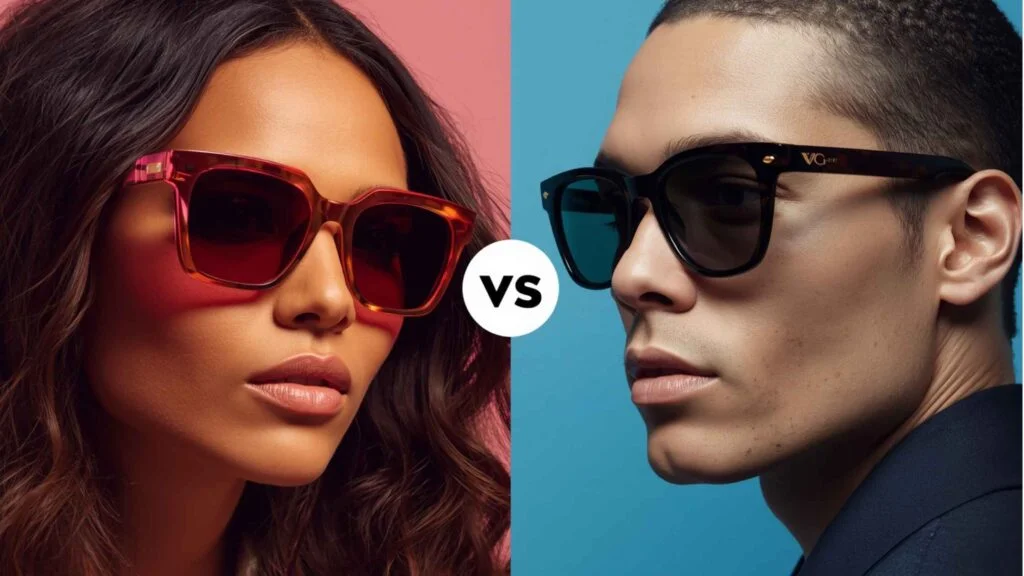
Dior vs Fendi Sunglasses — Iconic French vs Italian Powerhouses

There’s a particular pleasure in watching two genuinely great fashion houses compete for the same customer. Not because one must lose, but because the friction between them illuminates what makes each exceptional. Dior vs Fendi sunglasses is exactly that kind of comparison — two houses with profound individual identities, deep craft histories, and eyewear collections that reflect their founding philosophies with remarkable fidelity.
Christian Dior reimagined French femininity from a postwar Paris atelier and built a house on romance, structure, and the transformative power of couture. Fendi grew from a Roman leather workshop into one of Italy’s most intellectually ambitious luxury houses — warmer in register, craft-obsessed in a different way, and increasingly adventurous in its design language under the continuing influence of Karl Lagerfeld’s long tenure and the creative evolution that followed.
This Fendi vs Dior eyewear comparison doesn’t crown a universal winner. It maps two different visions of luxury — Italian vs French luxury brands at their most distinctive — and helps you understand which one you actually belong to.
Table of Contents
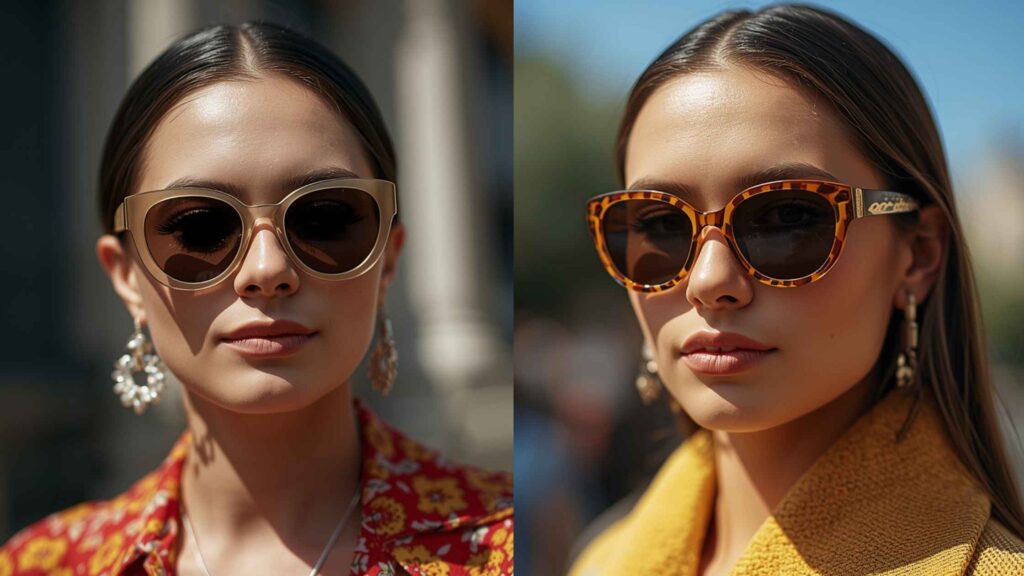
The DNA of Each House — Understanding Before Comparing
Every meaningful couture comparison begins with heritage, because heritage isn’t nostalgia in fashion — it’s structural. The decisions made at a house’s founding continue to shape its design language decades later, often in ways the brand’s own designers may not consciously articulate.
Christian Dior launched his first collection in 1947 with the New Look — a silhouette so dramatically feminine, so architecturally precise, that it genuinely altered the direction of Western fashion. From that moment, the house has operated on the principle that fashion is transformation. That clothing — and by extension, every accessory — should reshape how a woman moves through the world. Dior’s design language is couture-informed, architecturally rigorous, and consistently romantic. The Dior oblique pattern, the cannage quilting, the CD logo — these are not branding exercises. They are visual extensions of a design philosophy built around structured elegance.
Fendi began in Rome in 1925 as a fur and leather goods atelier. Its evolution into a full luxury house — accelerated dramatically by Karl Lagerfeld’s 54-year creative partnership with the Fendi family — produced something genuinely unique in Italian fashion: a house that combines Roman craftsmanship depth with genuine intellectual adventurousness. Fendi is warmer than Dior, more playful in its willingness to experiment, and fundamentally rooted in material expertise rather than architectural silhouette. The double-F logo, the baguette bag, the Peekaboo — these are objects that reward touching as much as looking.
Understanding this gap — Dior as architectural transformation, Fendi as material warmth and craft intelligence — makes every subsequent comparison between their eyewear not just more accurate, but more useful.
Dior Sunglasses — Signature Shapes and Design Character
Dior’s eyewear collection is one of the most consistently strong in fashion eyewear, and its range of signature silhouettes reflects the house’s couture heritage with genuine design integrity.
The Shield and the Architectural Statement
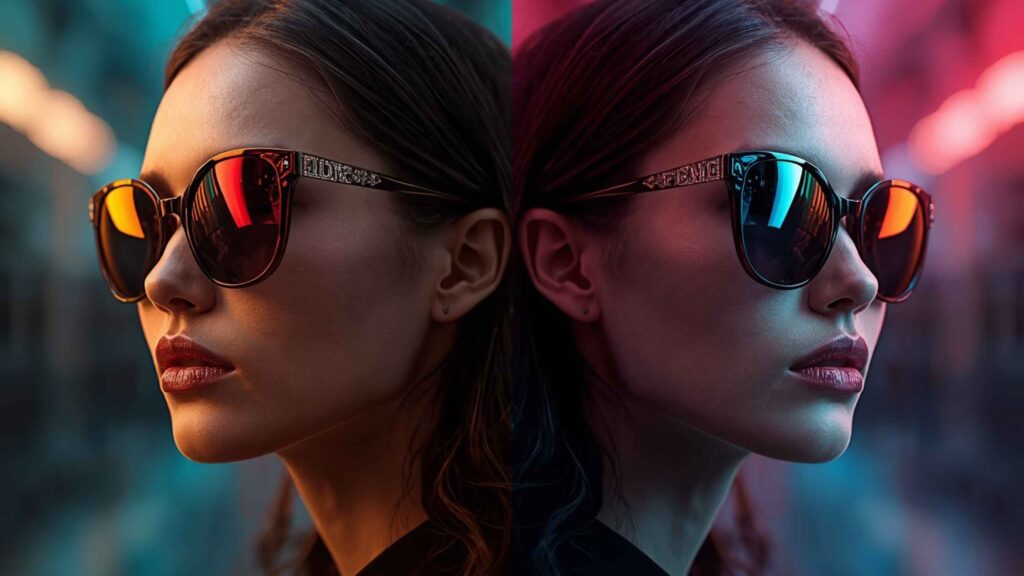
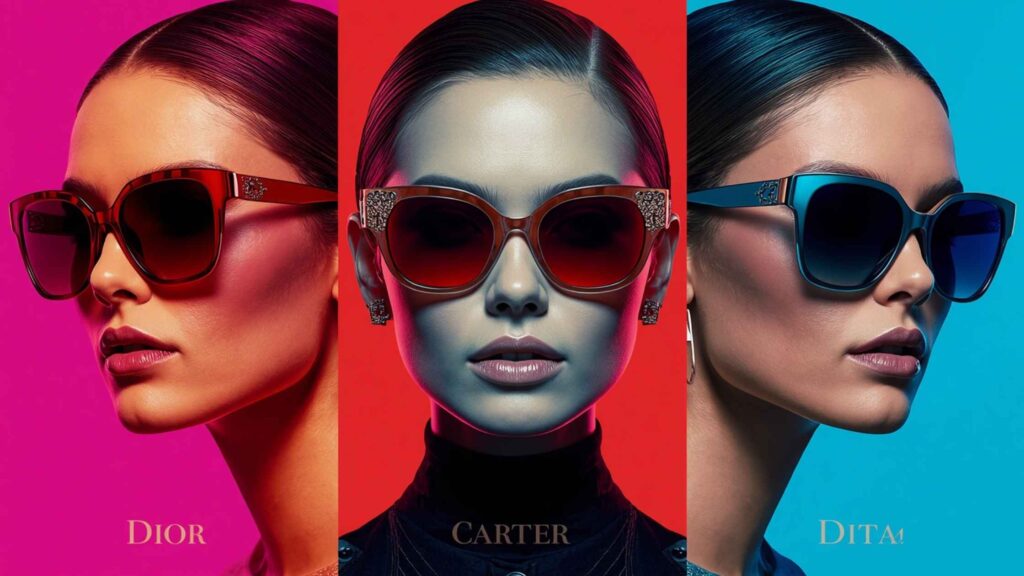
The DiorSignature collection — which includes both the shield variants and the more traditional two-lens constructions bearing the house’s logo script across the lens or bridge — represents Dior’s most explicitly couture-informed eyewear. These frames use the CD logo as a structural design element rather than a decorative application, integrating brand identity into the frame’s architecture in a way that reads as designed rather than branded.
The shield frames in particular carry the kind of dramatic presence that references Dior’s runway aesthetic directly. They’re wide, architecturally confident, and deliberately cinematic — frames built for the woman who understands that sometimes the accessory should be the entire statement.
The DiorClub and Sporty Refinement
The DiorClub series represents a different register within Dior’s eyewear range — sporty in silhouette, shield-adjacent in construction, but finished with the house’s characteristic material refinement and logo integration. These frames have become some of Dior’s most commercially successful eyewear pieces because they bridge the gap between the brand’s couture identity and contemporary lifestyle dressing. They work equally well on a yacht in Saint-Tropez and at a fashion week front row — versatility without compromise.
Dior’s Color and Material Philosophy
Dior eyewear leans into its fashion heritage through color with particular confidence. The brand’s use of gradient lenses, transparent acetate in blush and lavender tones, and the signature blue Dior oblique pattern across lens surfaces demonstrates a willingness to treat eyewear as a direct extension of seasonal fashion direction. For buyers who change their eyewear with their wardrobe season, this is an advantage. For buyers seeking a single frame for long-term investment wear, it’s worth selecting from Dior’s more classically colorways rather than its most season-specific pieces.
Fendi Sunglasses — Signature Shapes and Design Character
Fendi’s eyewear tells the story of a house deeply rooted in material expertise — and it tells it with a warmth and playfulness that distinguishes it clearly from Dior’s more architecturally solemn approach.
The Baguette Frame and Iconic Heritage
Few objects in luxury fashion carry the cultural weight of the Fendi Baguette bag, and the house has intelligently extended that heritage into its eyewear through the Fendi Baguette sunglasses — frames that incorporate the bag’s iconic clasp detail and design references into the frame construction. These pieces function as wearable house history, connecting eyewear directly to Fendi’s most universally recognized design achievement. For buyers drawn to Italian vs French luxury brands for their heritage depth, the Baguette frame is Fendi’s most powerful argument.
The FF Logo and Geometric Exploration
Fendi’s double-F logo — one of the most recognizable symbols in Italian luxury fashion — appears across its eyewear collection in a variety of executions, from subtle hinge detailing to full logo-face acetate constructions that make the FF pattern the frame’s primary visual statement. The FF0382S and related models use this graphic confidence to create frames that are unmistakably Fendi from any distance — bold without being aggressive, branded without being vacuous.
Beyond logo-driven designs, Fendi’s geometric exploration in eyewear has produced some of the most interesting silhouettes in the fashion eyewear differences conversation. Oval frames with architectural cut-out details, cat-eye constructions with Fendi’s Roman-inflected ornamentation, and slim rectangular models with the brand’s characteristic material layering — the range demonstrates a design ambition that goes well beyond simply attaching a logo to a conventional frame.
Fendi’s Material Warmth
Where Dior trends toward the architectural and the cinematic, Fendi’s material philosophy is rooted in tactile richness. The house’s leather goods expertise translates into an eyewear sensibility that prizes texture, depth of finish, and the kind of material presence that rewards close inspection. Fendi’s acetate selections tend toward warmer tones — deep amber, rich caramel, layered tortoiseshell — and the brand’s metal constructions favor gold and warm rose gold over the cooler silver and gunmetal tones that Dior often favors.
Materials and Build — A Direct Comparison
Both houses maintain premium material standards, but their construction priorities reflect their design philosophies in revealing ways.
Dior prioritizes architectural precision in its build. Frames are constructed to hold their geometry with exactness — hinges are tight, acetate edges are cleanly finished, and the brand’s metal work carries a cool, precise quality that suits its design language. The CD hardware that appears across the collection is substantial without being heavy, and quality control across the core collection is consistently high. Where Dior occasionally faces criticism is in the longevity of certain decorative lens applications — the oblique pattern printed or applied to lens surfaces can wear differently than the frame itself over extended use.
Fendi brings its leather goods construction intelligence into its eyewear — frames have a material solidity and finish depth that reflects the house’s obsession with craft quality. The double-F hardware is well-finished and durable; hinge construction across most models is excellent. Fendi’s acetate quality is among the warmest and richest in the luxury match-up category, with a color depth that holds particularly well through daily wear. The house’s frames generally feel slightly warmer and more tactilely rewarding in hand than Dior’s more architecturally cool constructions.
Both houses justify their price points. The build quality gap between them is narrow enough that frame choice should rest on design identity and aesthetic fit rather than construction preference.
Price and Value — What Each House Asks of You
Dior sunglasses typically sit between $350 and $650 USD across the core collection, with high-fashion shield frames and more architecturally complex pieces reaching the higher end of that range. The brand’s pricing reflects its couture positioning and strong global brand equity.
Fendi sunglasses occupy a comparable range — generally $380 to $620 USD for core collection pieces — with certain logo-heavy and heritage-reference models commanding modest premiums. The pricing difference between the two houses is narrow enough that investment decisions should be made on design fit rather than price optimization.
On the secondary market, both brands hold value reasonably well, with Dior maintaining slightly stronger resale demand globally due to broader brand recognition in non-European luxury markets. Fendi’s most iconic pieces — particularly Baguette-reference frames and strong FF logo models — hold secondary value well within fashion-forward markets and among collectors who understand the house’s specific heritage depth.
Which Is Better — Fendi or Dior Sunglasses?
The question of which is better, Fendi or Dior sunglasses, resolves most cleanly when framed correctly: better for whom, and better for what?
Choose Dior if your aesthetic gravitates toward architectural romance, French couture elegance, and frames that carry the cinematic confidence of a house built on transformation. Dior eyewear works best for women who dress with deliberate structure — whose wardrobe has a considered, curated quality that the brand’s design language reinforces rather than disrupts. The shield frames, the CD logo constructions, and the brand’s confident use of fashion-forward color all reward a buyer who wants her eyewear to make a complete statement.
Choose Fendi if you’re drawn to Italian material warmth, craft heritage with intellectual playfulness, and frames that reward close inspection as much as first impression. Fendi eyewear suits the buyer whose luxury philosophy centers on the quality of what something is made from rather than the drama of how it’s designed. The Baguette references, the FF logo work, and the brand’s warm acetate palette all speak to a sensibility that values depth over spectacle.
The buyer who owns both — and many serious luxury fashion consumers do — uses Dior for architectural impact and Fendi for warmth and versatility. The two houses don’t compete within the same emotional territory; they occupy adjacent ones, and a wardrobe with room for both is a wardrobe that understands what each genuinely offers.
Styling — How Each Brand Wears in the Real World
Dior frames carry their couture confidence most naturally with structured, feminine dressing — tailored blazers, wrap dresses, clean monochromatic outfits where the frame functions as the composition’s focal point. The brand’s shield and signature frames are strong enough to anchor an entire look; they work best when the clothing around them respects rather than competes with that visual authority.
Fendi frames travel more easily across wardrobe contexts. The brand’s warmth and material richness means its eyewear integrates naturally with both structured and relaxed dressing — a Fendi FF logo frame works as naturally with a cashmere coat as it does with premium denim and a quality leather jacket. For buyers who want a single luxury frame with genuine wardrobe versatility, Fendi’s range often accommodates more easily than Dior’s more deliberately fashion-forward pieces.
FAQ — Dior vs Fendi Sunglasses
Which is better for everyday wear — Dior or Fendi?
For everyday versatility, Fendi has a slight edge. Its warmer design language and material richness integrate more naturally across diverse wardrobe contexts and social environments. Dior’s more architecturally dramatic pieces are exceptional as statement frames but require more deliberate styling to avoid visual conflict with casual or relaxed dressing.
Are Dior sunglasses good quality?
Yes — Dior maintains premium quality standards consistent with its couture positioning. Acetate construction is precise, metal hardware is substantial and well-finished, and hinge quality across the core collection is reliable. Frames are built to sustain daily luxury wear with appropriate care.
What makes Fendi eyewear different from other Italian luxury brands?
Fendi’s distinguishing quality within Italian vs French luxury brands is its combination of craft depth and intellectual playfulness. The house brings leather goods construction intelligence into its eyewear while maintaining a design adventurousness — geometric exploration, heritage reference, logo integration — that sets it apart from more classically restrained Italian houses.
Which house has stronger resale value — Dior or Fendi?
Dior generally maintains stronger secondary market demand across global geographies due to its broader brand recognition. Fendi’s most iconic pieces hold value well within fashion-forward and collector markets. For pure resale investment, Dior has a marginal advantage — though neither brand should be purchased primarily as a financial instrument.
Are Fendi and Dior sunglasses worth the price?
Both houses justify their price points through premium materials, genuine design integrity, and craft quality that exceeds mass-market luxury eyewear. The investment is justified for buyers who engage with the brand’s design identity seriously — buying Dior because you connect with its couture romance, or Fendi because you value its Italian material warmth, rather than purchasing either purely for logo recognition.
Two Houses, One Decision
The Dior vs Fendi sunglasses debate ultimately asks you to locate yourself within fashion’s broader conversation — to decide whether you’re drawn to the architectural romance of French couture or the material warmth of Italian craft intelligence.
Dior transforms. Fendi rewards. Both do what they do with genuine excellence, at a level of design and material quality that justifies every dollar of their price positioning.
The most useful question isn’t which house is superior. It’s which house is more honest about who you already are — and which pair of sunglasses, sitting on your face in the right light, makes you feel most completely like yourself.
Decided where you stand in this luxury match-up? Share this guide with someone navigating the same choice — or explore our full breakdown of the best French and Italian designer eyewear investments worth making in 2026.






 Brush
Brush Makeup Mirrors
 Body Lotions & Body Oils

 Personal Scales
 Perfume Coffrets
 Perfume Testers
 All Eyewear
 Unisex
 Optical
 Contact Lenses
 Home Fixtures
 Dining & Bar